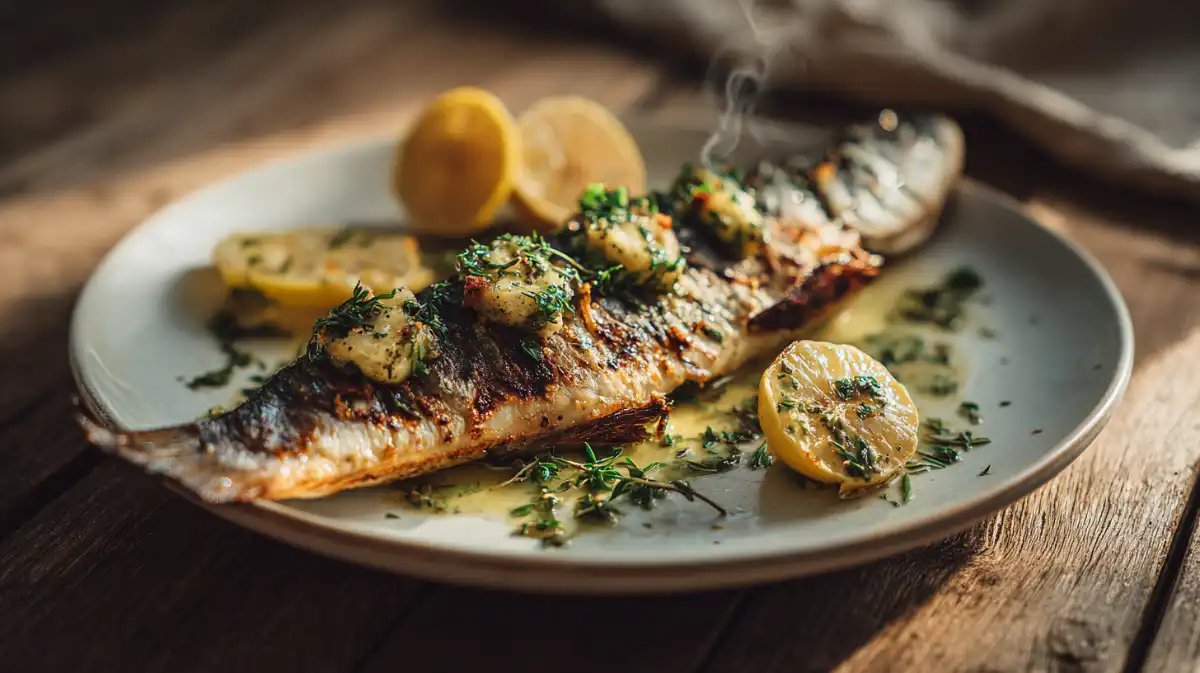
February 14th, 2019. I had forty minutes before my girlfriend (now wife) arrived for our first Valentine’s at my place, and I’d massively overestimated my cooking skills. The sea bass fillets sat there looking intimidating. I’d tested this recipe exactly once – three days prior at my friend Marco’s house – and somehow nailed it. … Read more
Okay so there I was on November 3rd, 2023, standing in my kitchen at 7:14 PM (why do I remember the exact time? Because I took a photo, obviously), staring at what could only be described as falafel carnage. My cousin Sarah had challenged me to make a falafel bowl with tahini that was “actually … Read more
So there I was at 11:47 PM on March 23rd, 2024, absolutely starving after a disaster of a dinner party (don’t ask about the soufflé… just don’t), and my fridge looked like the apocalypse had visited. Like, I had half an onion, suspicious yogurt, and exactly three eggs. But then I remembered something my Italian … Read more
Look, I’ll be honest with you—I almost gave up on casseroles entirely after the Great Thanksgiving Disaster of 2019. (Don’t ask my mother-in-law about it, she’s still processing.) But then my neighbor Maria—you know the type, perpetually hosting dinner parties for twelve with zero visible stress—handed me this chicken zucchini bake recipe scribbled on a … Read more
The secret, which took me approximately fourteen failed batches to figure out, is starch water. When you reserve a cup of your pasta cooking water and add it to the sauce, those starch molecules act as emulsifiers—Kenji López-Alt explains this way better than me in The Food Lab—keeping everything silky instead of separated. Also, I undercook my pasta by exactly 3 minutes because it finishes cooking in the oven. Overcooked pasta in a casserole is a crime against humanity.
Orzo is basically the overachiever of the pasta world. It’s shaped like rice but behaves like pasta, which means it releases starch as it cooks—and that starch is crucial for creating a naturally creamy sauce without needing a ton of heavy cream. Harold McGee explains in On Food and Cooking that pasta starch molecules absorb liquid and swell, then release some of that starch back into the cooking liquid.
Let’s get nerdy for a second (stay with me, I promise this matters). Fresh mozzarella is about 50-52% moisture content, and when you heat it too aggressively, those proteins denature and release all that water into your sauce. This is why your cheese disappears. The casein proteins in mozzarella need gentle heat—we’re talking about keeping things under 150°F until the very last moment. Harold McGee explains this brilliantly in On Food and Cooking, and honestly, reading that chapter saved my pasta alla sorrentina game.
Listen, I need to tell you about the night I almost burned down my kitchen making spicy penne arrabbiata. It was March 14th, 2019 (yeah, Pi Day—ironic for someone who can’t do math), and I’d invited my crush Marco over for dinner. I thought, “How hard can Italian pasta be?” Um. Turns out when you … Read more
But here’s the thing – after testing this recipe literally 23 times over the past three months (my neighbors thought I was running a Greek restaurant), I’ve finally cracked the code. The Greek Chicken with Lemon and Feta you’re about to learn isn’t just good…it’s the kind of good that makes you close your eyes when you take that first bite, you know? The kind where your partner asks, “Wait, did you order takeout?” Spoiler alert: nope, you made it yourself. Stick with me, and I’ll share the seven game-changing secrets that transformed me from a Greek-chicken-disaster-maker into someone who actually gets compliments on their cooking.