Okay, so here’s the thing—my first attempt at pasta alla sorrentina was, um, memorable. August 2019, our anniversary dinner for Dave, and I somehow managed to create what can only be described as “tomato soup with sad pasta floating in it.” The mozzarella? Completely vanished into the sauce like some cheesy magic trick nobody asked for. My mother-in-law Gloria actually patted my hand sympathetically, which is basically the Italian grandmother equivalent of “bless your heart.”
But twenty-three batches later (yes, I counted), I’ve cracked the code on this Sorrento classic. This pasta alla sorrentina recipe will give you those Instagram-worthy cheese pulls every single time—and I’m spilling all my secrets.
Table of Contents

Authentic Pasta alla Sorrentina
Ingredients
Method
- Step 1: Cube your mozzarella and place in a colander over a bowl. Let it drain for 30-60 minutes. This is non-negotiable—I’ve tried skipping it, and it’s always a mistake. (I once tried pressing it with paper towels instead. Worked okay, but the colander method is better.)
- Step 2: If using cherry tomatoes, halve them. If using canned, drain the juice (save it!) and crush by hand over a bowl. Set your oven to broil and position rack about 6 inches from the heating element.
- Step 3: Bring a LARGE pot of water to boil. We’re talking 6 quarts minimum. Salt it like the Mediterranean Sea—about 2 tablespoons. I know that sounds like a lot, but your pasta absorbs this seasoning and it makes a huge difference.
- Step 4: Make the Sorrentina Sauce (20-30 minutes)
- Heat olive oil in a large, deep skillet over medium-low heat. Add garlic and cook gently—and I mean gently—for about 2 minutes. The second it starts turning golden, you’ve gone too far. Burnt garlic is bitter and will ruin everything. (Ask me how I know. Batch four. Not my finest moment.)
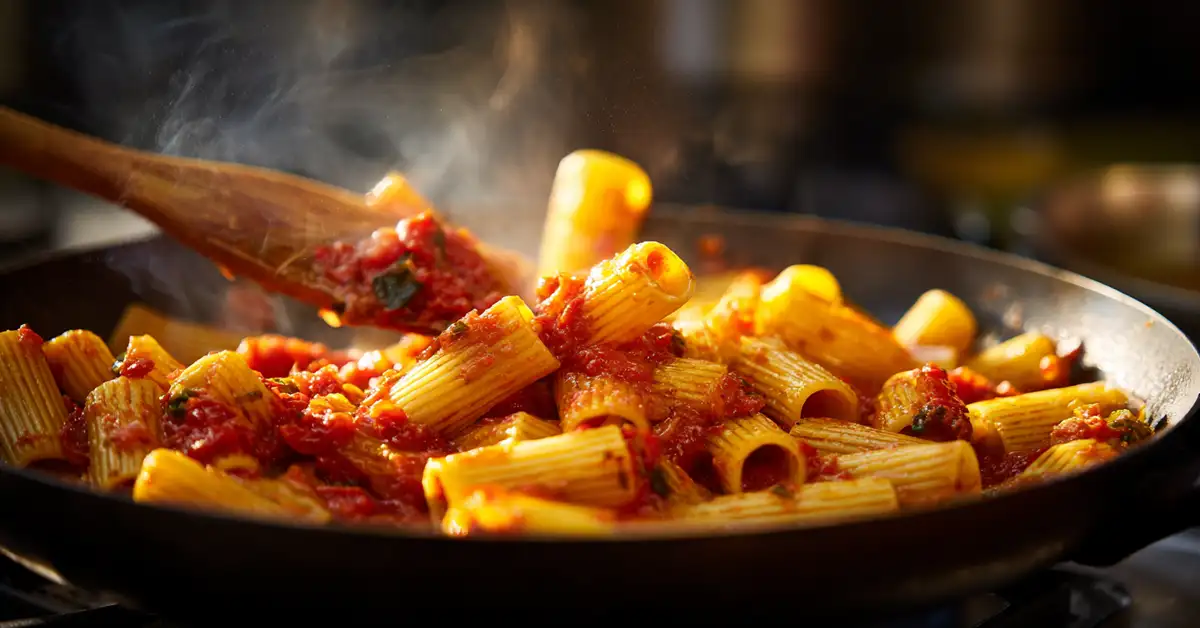
- Add tomatoes and a pinch of salt. If using cherry tomatoes, cover and let them burst naturally, about 15 minutes. Then smash about half of them with the back of your spoon—you want some texture, not baby food. Add sugar now if using (it balances acidity without adding sweetness). Tear in half your basil leaves and simmer uncovered another 5-10 minutes until slightly reduced.
- Pro tip: If your sauce looks too thick, add a splash of pasta water. Too thin? Let it bubble a bit longer. The sauce should coat a spoon but still be loose enough to embrace the pasta.
- Step 5: Cook Pasta Al Dente (crucial!)
- Cook your paccheri or rigatoni until JUST shy of al dente—about 2 minutes less than package directions. This pasta is going to finish cooking in the sauce and then under the broiler. If you cook it fully now, you’ll end up with mush. Reserve at least 1 cup of pasta water before draining. This starchy liquid is liquid gold for your sauce consistency.
- Step 6: The Assembly (where magic happens)
- Add drained pasta to the sauce and toss to coat, adding pasta water as needed. Turn off the heat (important!). Transfer half the pasta to a 10-inch oven-safe baking dish. Scatter half the drained mozzarella cubes and sprinkle with some Parmigiano. Add remaining pasta, top with remaining cheese.
- Step 7: The Broiler Finish (5-8 minutes)
- Broil until cheese is bubbling and developing golden spots—5-8 minutes depending on your broiler. Watch it like a hawk. I’ve burned more pasta alla sorrentina batches under the broiler than I care to admit. Remove, scatter remaining fresh basil, let rest 2-3 minutes (the cheese continues cooking from residual heat), then serve immediately. Just like the techniques in spicy rigatoni , timing is everything with this baked pasta.
Notes
Why This Pasta alla Sorrentina Recipe Actually Works
The Science Behind the Perfect Cheese Pull
Let’s get nerdy for a second (stay with me, I promise this matters). Fresh mozzarella is about 50-52% moisture content, and when you heat it too aggressively, those proteins denature and release all that water into your sauce. This is why your cheese disappears. The casein proteins in mozzarella need gentle heat—we’re talking about keeping things under 150°F until the very last moment. Harold McGee explains this brilliantly in On Food and Cooking, and honestly, reading that chapter saved my pasta alla sorrentina game.
The traditional Sorrento method calls for layering the pasta and cheese in a baking dish, then hitting it with high broiler heat for just 5-8 minutes. This creates what’s essentially a controlled Maillard reaction on top while keeping the interior cheese perfectly stringy. (Why does nobody talk about this?)
When to Serve This Sorrento-Style Pasta
Here’s where I might have strong opinions. Pasta alla sorrentina is NOT a Tuesday-night-exhausted-from-work meal (unless you make the sauce ahead—more on that later). It’s a weekend thing. A “friends are coming over” thing. My friend Elena (who grew up in actual Sorrento, not just dreaming about it like me) serves this for family gatherings because it’s impressive without being fussy. The beauty of this Campania classic is that it feels fancy while using maybe six ingredients. Perfect for impressing your in-laws, date nights, or, honestly, treating yourself because you deserve melted cheese on a Saturday. This baked pasta dish pairs beautifully with a Mediterranean salad for a complete Italian feast.
Essential Ingredients for Authentic Pasta alla Sorrentina
The Core Ingredient List
For the Sauce:
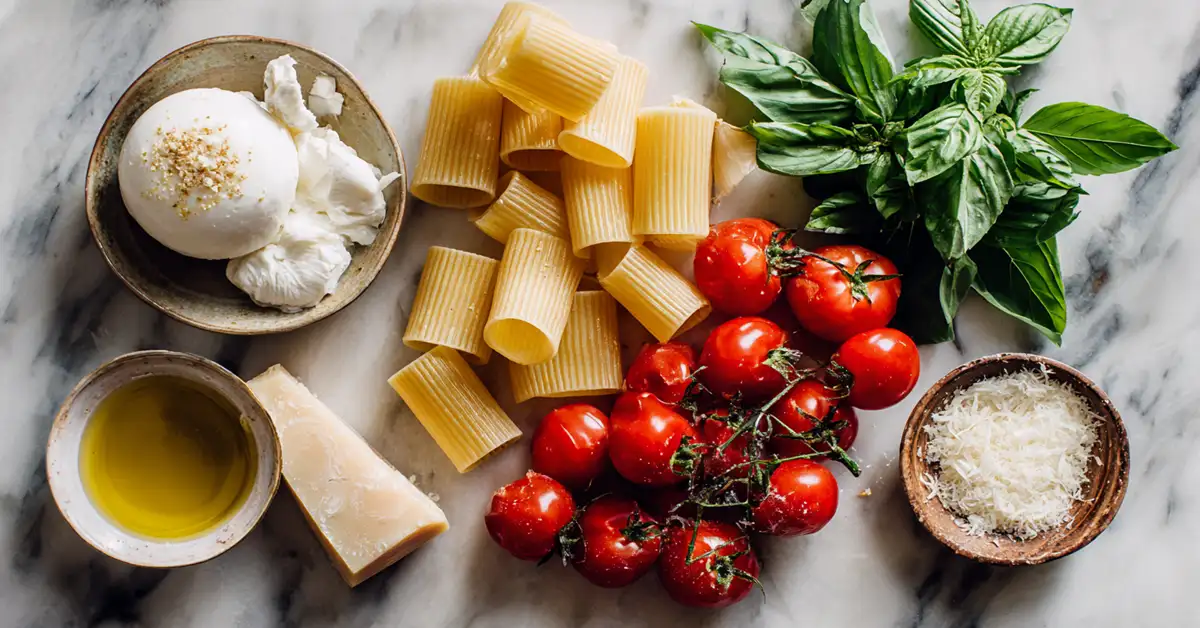
2 lbs fresh cherry tomatoes (San Marzano if you can find them) OR one 28oz can whole peeled tomatoes
4 cloves garlic (minced, not that jar stuff)
1/4 cup quality extra virgin olive oil
1 bunch fresh basil (about 20 leaves)
salt and freshly cracked black pepper
1/2 teaspoon sugar (controversial, I know, but trust me).
For the Pasta:
1 lb paccheri pasta (rigatoni or penne work too)
8 oz fresh mozzarella (not the pre-shredded stuff)
1/2 cup freshly grated Parmigiano-Reggiano.
The Game-Changer Nobody Mentions
Drain your mozzarella. Like, actually drain it. Cut it into cubes and let it sit in a colander for at least 30 minutes (I do an hour if I have time). The excess whey is what turns your beautiful sauce into watery sadness. I learned this the hard way—batch number seven, if you’re keeping track. Some recipes suggest using smoked scamorza cheese instead, which has less moisture and adds this incredible depth. Honestly? Try both and decide for yourself. I use scamorza when I want something smokier and mozzarella when I want that classic stringy experience.
Cheese Comparison for Pasta alla Sorrentina
| Cheese Type | Best For |
| Fresh Mozzarella (Fior di Latte) | Classic stringy pulls, mild flavor, traditional authenticity |
| Buffalo Mozzarella | Creamier texture, richer taste, special occasions |
| Smoked Scamorza | Deeper flavor, less moisture, baked versions |
| Low-Moisture Mozzarella | Faster melting, more forgiving, weeknight version |
USA Substitutions: Can’t find paccheri? Rigatoni is your best friend. No San Marzano tomatoes? Good quality canned whole tomatoes work great—just crush them by hand (weirdly satisfying, by the way). Fresh mozzarella unavailable? Low-moisture whole milk mozzarella will work, though the texture’s different. Whatever you do, avoid pre-shredded cheese. That anti-caking powder prevents proper melting and you’ll end up with grainy sadness. Similar to the techniques used in rigatoni carbonara , quality ingredients make all the difference here.
The Foolproof Method for Perfect Pasta alla Sorrentina
Preparation: Setting Yourself Up for Success
Step 1: Cube your mozzarella and place in a colander over a bowl. Let it drain for 30-60 minutes. This is non-negotiable—I’ve tried skipping it, and it’s always a mistake. (I once tried pressing it with paper towels instead. Worked okay, but the colander method is better.)
Step 2: If using cherry tomatoes, halve them. If using canned, drain the juice (save it!) and crush by hand over a bowl. Set your oven to broil and position rack about 6 inches from the heating element.
Step 3: Bring a LARGE pot of water to boil. We’re talking 6 quarts minimum. Salt it like the Mediterranean Sea—about 2 tablespoons. I know that sounds like a lot, but your pasta absorbs this seasoning and it makes a huge difference.
The Main Cooking Method
Step 4: Make the Sorrentina Sauce (20-30 minutes)
Heat olive oil in a large, deep skillet over medium-low heat. Add garlic and cook gently—and I mean gently—for about 2 minutes. The second it starts turning golden, you’ve gone too far. Burnt garlic is bitter and will ruin everything. (Ask me how I know. Batch four. Not my finest moment.)
Add tomatoes and a pinch of salt. If using cherry tomatoes, cover and let them burst naturally, about 15 minutes. Then smash about half of them with the back of your spoon—you want some texture, not baby food. Add sugar now if using (it balances acidity without adding sweetness). Tear in half your basil leaves and simmer uncovered another 5-10 minutes until slightly reduced.
Pro tip: If your sauce looks too thick, add a splash of pasta water. Too thin? Let it bubble a bit longer. The sauce should coat a spoon but still be loose enough to embrace the pasta.
Step 5: Cook Pasta Al Dente (crucial!)
Cook your paccheri or rigatoni until JUST shy of al dente—about 2 minutes less than package directions. This pasta is going to finish cooking in the sauce and then under the broiler. If you cook it fully now, you’ll end up with mush. Reserve at least 1 cup of pasta water before draining. This starchy liquid is liquid gold for your sauce consistency.
Step 6: The Assembly (where magic happens)
Add drained pasta to the sauce and toss to coat, adding pasta water as needed. Turn off the heat (important!). Transfer half the pasta to a 10-inch oven-safe baking dish. Scatter half the drained mozzarella cubes and sprinkle with some Parmigiano. Add remaining pasta, top with remaining cheese.
Step 7: The Broiler Finish (5-8 minutes)
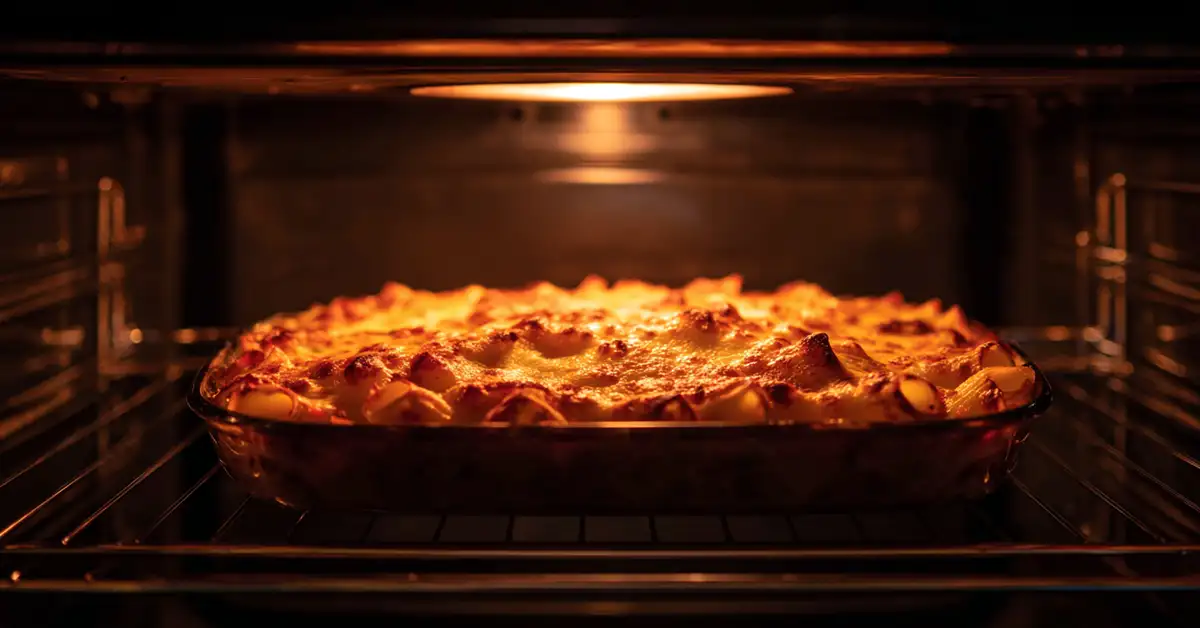
Broil until cheese is bubbling and developing golden spots—5-8 minutes depending on your broiler. Watch it like a hawk. I’ve burned more pasta alla sorrentina batches under the broiler than I care to admit. Remove, scatter remaining fresh basil, let rest 2-3 minutes (the cheese continues cooking from residual heat), then serve immediately. Just like the techniques in spicy rigatoni , timing is everything with this baked pasta.
Creative Variations of Pasta alla Sorrentina
Classic Variations
The beautiful thing about this Sorrento-style pasta is how adaptable it is. I’ve made probably fifteen different versions at this point, and they’re all genuinely delicious in their own way.
| Variation | How to Make It |
| Stovetop Version | Skip the broiler. Add cheese off heat, cover for 2 minutes until melty. Less dramatic but still delicious |
| Summer Raw Tomato | Use raw cherry tomatoes tossed with hot pasta. Add fresh mozzarella immediately. Light and bright! |
| Smoked Scamorza | Replace mozzarella with cubed smoked scamorza for deeper, smokier flavor |
| Gnocchi alla Sorrentina | Use potato gnocchi instead of pasta for the original traditional version |
| Spicy Sorrentina | Add 1/2 tsp crushed red pepper flakes to the sauce. Not for kids, obviously |
Dietary Modifications
Gluten-Free: Use your favorite GF pasta (I like Banza chickpea pasta for this—it holds up to the sauce well). Cook 1 minute less than package directions since GF pasta tends to get mushy faster.
Vegetarian: Already veggie! Just make sure your Parmigiano is vegetarian (look for microbial rennet on the label).
Vegan: This one’s trickier. I’ve had decent results with Violife mozzarella shreds and nutritional yeast instead of Parm. It’s different, but still good.
Budget-Friendly: Use canned crushed tomatoes and low-moisture mozzarella. Still delicious, much cheaper. My college-era version that got me through many a broke week.
Kid-Friendly: Skip the garlic if your kids are garlic-suspicious (mine are, weirdly). Use smaller pasta like penne for easier eating. The cheese pulls are a major selling point for picky eaters. For more kid-approved ideas, check out the crispy zucchini fritters that even little ones love.
Storage and Serving Tips for Pasta alla Sorrentina
Proper Storage Techniques
Let’s be honest—this dish is best fresh. Like, straight-from-the-broiler fresh. But life happens, and leftovers exist.
Room Temperature: Maximum 2 hours. After that, bacteria city. (Sorry, food safety nerd moment.)
Refrigerator: 3-4 days in an airtight container. The cheese texture changes, but it’s still good.
Freezer: Up to 2 months, but honestly? I don’t recommend it. The mozzarella gets weird. If you must, undercook the pasta significantly before freezing.
Meal Prep Strategies
Make the sauce ahead: The tomato sauce keeps 5 days refrigerated, 3 months frozen. This is my go-to strategy. Sunday sauce prep, Wednesday night pasta alla sorrentina.
Pre-assemble: You can assemble the dish in the baking dish, cover with plastic wrap, and refrigerate up to 8 hours before broiling. Add 2-3 minutes to broiler time if going from cold.
Reheating: Best method is 350°F oven covered with foil for 15 minutes, then uncovered for 5. Microwave works but makes the cheese rubbery. Add a splash of water before reheating to prevent drying.
Perfect Pairings for Pasta alla Sorrentina
| Pairing Type | Suggestions |
| Side Salads | Arugula with lemon, classic Caprese, mixed greens with balsamic |
| Breads | Crusty Italian bread, garlic bread (no butter), focaccia |
| Beverages | Sparkling water with lemon, fresh lemonade, mint iced tea |
| Appetizers | Bruschetta, marinated olives, fresh vegetables with hummus |
Nutritional Benefits of Pasta alla Sorrentina
Look, I’m not a registered dietitian (required disclaimer!), but I’ve done my homework on this one. This Italian pasta dish actually has some nutritional wins going for it.
Macronutrient Breakdown (per serving, approximately)
| Nutrient | Amount |
| Calories | 536-570 kcal |
| Total Carbohydrates | 65-70g |
| Protein | 21-23g |
| Total Fat | 18-21g |
| Saturated Fat | 7-8g |
| Fiber | 3-4g |
| Sugar | 6-7g |
Key Micronutrients
| Micronutrient | Benefit |
| Lycopene (tomatoes) | Powerful antioxidant, heart health support |
| Calcium (cheese) | Bone health, about 30% daily value per serving |
| Vitamin C (tomatoes, basil) | Immune support, iron absorption |
| Vitamin K (basil) | Blood clotting, bone metabolism |
| Potassium | Electrolyte balance, muscle function |
Glycemic Index: The GI is moderate (around 44-50) thanks to the protein and fat from cheese slowing carb absorption. Compare this to plain pasta (GI ~55-60) or white bread (GI ~75).
Health considerations: The Mediterranean diet principles at play here—olive oil, tomatoes, fresh herbs—have been linked to cardiovascular benefits. The tomatoes provide lycopene (fat-soluble, so the olive oil helps absorption), and the fresh basil adds antioxidants. Is it health food? No. But it’s definitely better than many comfort foods. For more Mediterranean-inspired nutrition, explore our Mediterranean breakfast bowl recipes .
Frequently Asked Questions About Pasta alla Sorrentina
What is pasta alla sorrentina?
Pasta alla sorrentina is a traditional baked pasta dish from Sorrento in Italy’s Campania region. It features tube-shaped pasta coated in fresh tomato sauce, layered with mozzarella and Parmigiano-Reggiano, then broiled until the cheese is bubbling and golden. It’s essentially the pasta version of the famous gnocchi alla sorrentina.
What’s the best pasta shape for pasta alla sorrentina?
Paccheri is the traditional choice—those big, smooth tubes are perfect for catching sauce and melted cheese. Rigatoni is an excellent substitute (and easier to find). Penne, fusilli, and mezze maniche also work well. The key is choosing a short pasta with ridges or tubes that hold onto the sauce.
Can I make pasta alla sorrentina without an oven?
Absolutely! For a stovetop version, toss your cooked pasta with the sauce in a skillet, turn off the heat completely, then add the cubed mozzarella. Cover and let sit for 2-3 minutes. The residual heat melts the cheese into stretchy deliciousness. You won’t get the golden top, but it’s still incredibly good.
Why does my mozzarella disappear into the sauce?
This is the number one complaint I hear! Fresh mozzarella releases moisture when heated too long or at too high a temperature. The solution: drain your cubed mozzarella for 30-60 minutes before using, add it off the heat or just before broiling, and keep the broiler time to 5-8 minutes maximum. The cheese should melt but not completely liquify.
How do I prevent soggy pasta alla sorrentina?
Three things: First, cook your pasta 2 minutes less than package directions—it finishes cooking in the sauce and oven. Second, drain your mozzarella thoroughly. Third, don’t make your sauce too watery; let it reduce slightly before adding pasta.
Is pasta alla sorrentina vegetarian?
Yes! This Sorrento-style pasta is naturally vegetarian. Just check your Parmigiano-Reggiano—traditional versions use animal rennet. Look for “vegetarian Parmesan” or parmesan made with microbial rennet if this matters to you.
Can I make this recipe ahead of time?
Yes, with some planning! The tomato sauce can be made up to 5 days ahead and refrigerated, or frozen for 3 months. You can also fully assemble the dish (pasta, sauce, and cheese layered in the baking dish), cover tightly, and refrigerate for up to 8 hours before broiling. Just add 2-3 extra minutes under the broiler if starting from cold. Similar make-ahead strategies work for dishes like spinach and feta pasta .
Pairing and Serving Ideas for Pasta alla Sorrentina
This cheesy baked pasta is pretty rich (in the best way), so I like to pair it with something that adds freshness and contrast.
Serving Ideas
| Occasion | Suggested Menu |
| Weeknight Dinner | Pasta alla sorrentina + simple arugula salad with lemon + sparkling water |
| Date Night | Bruschetta appetizer + pasta alla sorrentina + tiramisu + sparkling grape juice |
| Family Sunday Dinner | Caprese salad + pasta alla sorrentina + crusty bread + fresh lemonade |
| Summer Gathering | Stovetop version + grilled vegetables + Mediterranean salad + mint tea |
Beverage Pairings (Non-Alcoholic)
Sparkling water with lemon is my go-to—the bubbles cut through the richness. Fresh lemonade (slightly sweet, very cold) works beautifully. Italian mint tea, served iced, is surprisingly perfect. For something different, try pomegranate sparkling water or a citrus-herb infused water. The acidity in these drinks complements the tomato sauce and cleanses your palate between those cheesy bites.
For dessert after this rich pasta, I usually go light—fresh fruit, a simple easy tiramisu , or maybe some biscotti with coffee. Don’t overdo it after all that gorgeous cheese!
Final Thoughts on Mastering Pasta alla Sorrentina
Make It Your Own
Here’s what I’ve learned after all those batches: the “rules” of pasta alla sorrentina are really just guidelines. Use San Marzanos or don’t. Add a pinch of red pepper or keep it mild. Go heavy on the basil or use just a little. The core technique—simple tomato sauce, drained mozzarella, quick broil—stays the same, but everything else is your playground.
Join the Conversation
I genuinely want to know how this works out for you. Did you nail the cheese pull on your first try? (Show off.) Did you have a batch-four moment like me? Made any variations I haven’t tried? Drop a comment below—I read every single one and honestly love hearing about your kitchen adventures (and misadventures).
And if you’re looking for more authentic Mediterranean recipes to round out your Italian cooking repertoire, definitely check out our feta pesto recipe for another easy, cheesy Mediterranean favorite. Happy cooking!