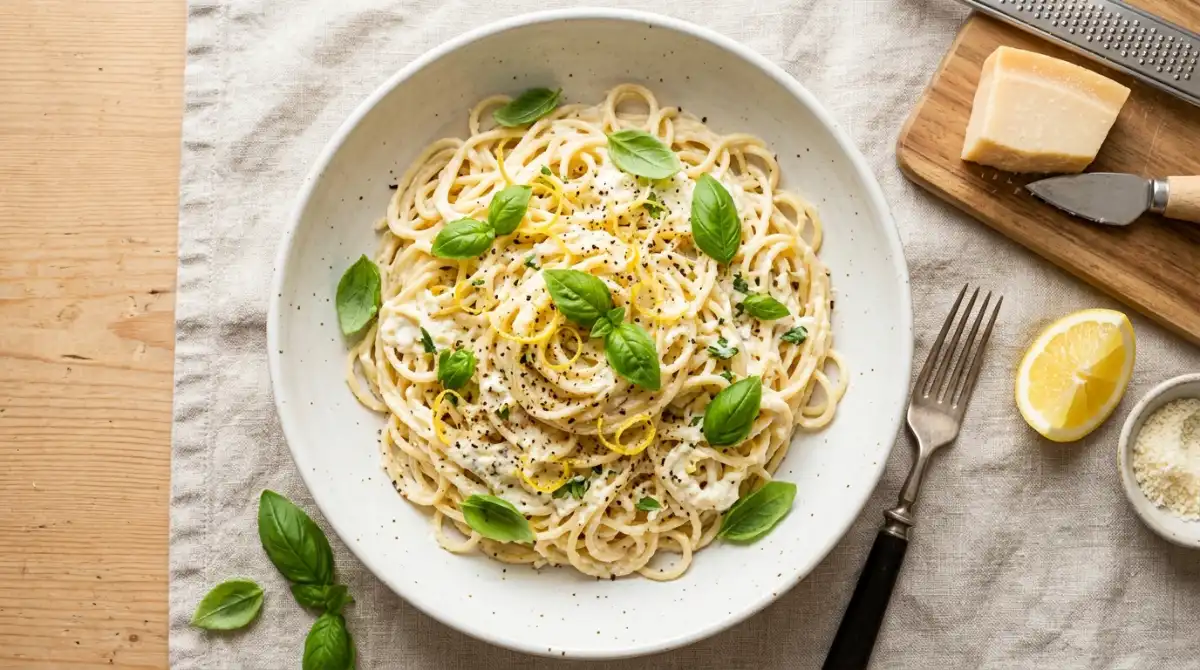
Close your eyes and imagine this: a tiny kitchen in Chania, late July, windows open to let in the salt-kissed breeze rolling off the sea. My yiayia is standing at the stove humming to herself, squeezing lemons over a bowl of snowy-white ricotta — a cheese she brought back from a small dairy in the hills above our village after visiting her cousin. The scent of warm citrus mixed with the faint tang of fresh cheese is one of my earliest food memories. That smell is lemon ricotta pasta.
I know what you’re thinking — isn’t ricotta pasta an Italian thing? You’re right. But the Cretan kitchen has always welcomed Mediterranean flavors without borders. Lemon has been part of our cooking for centuries: in ladolemono, in soups, in roasted meats, in everything. Fresh white cheeses? We’ve been making them on this island since the time of the Minoans. When I discovered this silky, luminous pasta during my three-year apprenticeship at Varoulko in Athens, it felt like a flavor I had always known.
I have made this lemon ricotta pasta at least 60 times — for Tuesday-night dinners after long workshops, for lazy Sunday lunches on my Athens rooftop terrace, and once, memorably, for a dinner party of twelve that I threw together in under 30 minutes. Every single time, people ask me for the recipe. Today, I am giving it to you. Let me show you how I make it in Crete — and in my kitchen whenever I need something beautiful, fast, and impossibly good.
Table of Contents
Lemon Ricotta Pasta
- Total Time: 22 minutes
- Yield: 4 servings 1x
Description
A silky, bright, creamy pasta sauce made with whole milk ricotta, fresh lemon zest and juice, garlic, olive oil, and Parmesan — tossed with spaghetti and finished with fresh basil and lemon zest. Mediterranean sunshine in 20 minutes.
Ingredients
Pasta & Sauce:
- 400g / 14 oz spaghetti or linguine
- 250g / 1 cup whole milk ricotta cheese (well-drained)
- 2 large organic lemons — zest of both, juice of 1.5 lemons (3 tbsp / 45ml)
- 3 garlic cloves, Microplane-grated or very finely minced
- 3 tbsp / 45ml extra virgin olive oil (+ extra to finish)
- 60g / 2 oz Parmigiano Reggiano, finely grated (divided)
- 1/2 tsp fine sea salt + more to taste
- 1/4 tsp freshly cracked black pepper
- Pinch of red pepper flakes (optional but highly recommended)
Optional Add-ins:
- 60g / 2 large handfuls fresh baby spinach or baby arugula
- Small handful fresh basil leaves, torn, to finish
- Extra lemon zest for serving (I always do this)
Instructions
1. Bring a large pot (6+ quarts) of water to a rolling boil. Add 1 tablespoon coarse sea salt.
2. In a large mixing bowl, combine ricotta, lemon zest, lemon juice, grated garlic, olive oil, and black pepper. Whisk until smooth and creamy. Do not add salt yet.
3. Cook pasta al dente per package directions, subtracting 1 minute from the listed time.
4. BEFORE draining, scoop out 1 full cup (240ml) of pasta cooking water. Set aside in a heatproof mug.
5. Add 60ml (1/4 cup) of hot pasta water to the ricotta mixture. Whisk vigorously until the sauce turns silky and slightly loose.
6. Drain pasta (do NOT rinse). Return to pot or transfer to a large shallow skillet over the lowest heat possible.
7. Pour ricotta sauce over pasta. Toss constantly with tongs until every strand is coated, 60–90 seconds. Add more pasta water a tablespoon at a time if sauce is too thick.
8. If using spinach, add now and toss until just wilted, about 30 seconds. Remove from heat.
9. Off heat, add 40g of grated Parmesan. Toss again. Taste and adjust salt.
10. Divide into 4 warmed bowls. Top with remaining Parmesan, torn basil, fresh lemon zest, cracked black pepper, and a drizzle of olive oil. Serve immediately.
Notes
Storage: Refrigerate in an airtight container for up to 3 days. Reheat in a skillet with 2–3 tbsp water over low heat, tossing constantly. Do not freeze.
Make-Ahead: Prepare ricotta sauce (without lemon juice) up to 24 hours ahead. Add juice and pasta water only just before tossing.
Substitutions: Pecorino Romano for parmesan (reduce salt); chickpea/lentil pasta for GF; cashew ricotta + nutritional yeast for dairy-free.
Serving Suggestions: Serve with grilled chicken, sautéed shrimp, or seared salmon for protein. Pairs beautifully with garlic focaccia and a simple green salad.
Related Recipes: Try my creamy pesto chicken pasta bake, pasta primavera recipe, or my Italian chicken casserole. All quick, all Mediterranean-inspired, all weeknight-friendly.
- Prep Time: 10 minutes
- Cook Time: 12 minutes
- Category: Mediterranean Dinner Recipes
- Method: Stovetop
- Cuisine: Italian/Mediterranean
Nutrition
- Serving Size: approx. 300g / 10.5 oz per plate
- Calories: 520 kcal
- Sugar: 4g
- Sodium: 420mg
- Fat: 18g
- Saturated Fat: 8g
- Unsaturated Fat: 10g
- Trans Fat: 0g
- Carbohydrates: 69g
- Fiber: 3g
- Protein: 22g
- Cholesterol: 42mg
Why This Lemon Ricotta Pasta Recipe Is Special
The Technique That Sets It Apart
Most creamy pasta recipes build sauce in a pan, adding heavy cream and reducing until thick. My approach is rooted in a principle my yiayia drilled into me: use what is already there. In this lemon ricotta pasta, the sauce is assembled off the heat. Whole milk ricotta — never part-skim — is whisked with fresh lemon zest, lemon juice, garlic, and good olive oil into a bowl. Then we use the starchy pasta water to loosen and emulsify everything.
As Harold McGee explains in On Food and Cooking, starches from pasta dissolve into cooking water, creating a natural emulsifier that binds fat and water without breaking. That’s why your sauce turns silky and clings to every strand. Reserve that pasta water like liquid gold — it is. The result is not just another spinach and feta pasta — it’s something lighter, brighter, and more citrus-forward than almost any other quick pasta dinner I know.
A Flavor Profile Worth Falling In Love With
Let me paint a picture. Creamy but not heavy. Tangy but not sharp. Garlicky but not overwhelming. This pasta al limone with ricotta sits in a flavor zone I call ‘elegant simplicity’ — it looks effortless but delivers enough complexity to make your guests assume you have been cooking for hours.
This is the perfect vegetarian pasta for everything from a Tuesday night when the fridge looks bare to a date-night dinner when you want to look impressive. I’ve served it before my Mediterranean sheet pan salmon as a first course, and it absolutely holds its own. Trust me on this one.
The Story Behind This Dish
A Dish Born From Mediterranean Simplicity
Pasta al limone has roots in Southern Italy — particularly along the Amalfi Coast and in Sicily, where lemons grow to the size of a child’s fist and the air smells of citrus blossom from February through November. The ricotta version evolved in the cucina povera tradition: peasant cooking that turned simple, inexpensive ingredients into something beautiful. No cream, no butter, no fuss. Just cheese, lemon, pasta water, and good olive oil.
If you love this simple tradition, you’ll also find joy in my pasta alla Sorrentina, another Southern Italian classic that proves the Mediterranean pantry needs almost nothing to be extraordinary.
My Family’s Connection to Lemon and Cheese
In my grandfather’s taverna in Chania, every single dish had lemon in it somewhere. A squeeze over grilled fish, a full ladolemono poured over horta, the tang of citrus hidden in avgolemono each winter. My mother always said a Cretan without lemons is like a fisherman without the sea. When I made this pasta for her during a visit to Athens six years ago, she tasted it, nodded slowly, and said, ‘The lemon is right.’ That, from her, was the highest possible compliment. I have been making it exactly the same way ever since.
Essential Ingredients for Lemon Ricotta Pasta
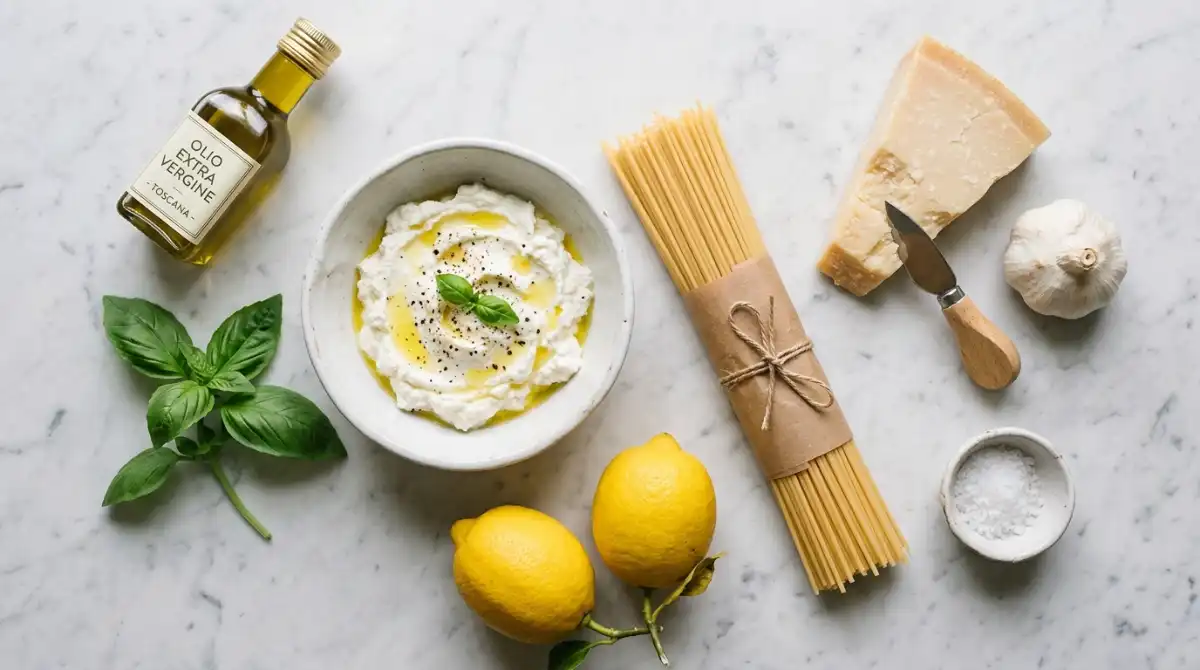
Core Ingredients
Every single ingredient matters here. This is a five-ingredient sauce — there is nowhere to hide a bad product. Let me walk you through each one.
| Ingredient | Amount | Why It Matters | Authentic Pick | Substitution |
| Pasta (Pasta spaghetti or linguine Pasta) | 400g / 14 oz | Long strands hold the creamy sauce beautifully around each strand | Garofalo or De Cecco spaghetti | Rigatoni, fusilli, pappardelle |
| Whole milk ricotta | 250g / 1 cup | Creates the cloud-like sauce; part-skim ricotta will turn grainy and flat | Fresh sheep’s milk ricotta from a deli | Drained cottage cheese (texture differs) |
| Fresh lemons | 2 large organic (zest + juice) | Zest = fragrant citrus oils; juice = bright acid that balances fat | Sorrento or Amalfi lemons | Regular unwaxed lemons — always organic for zest |
| Extra virgin olive oil | 3 tbsp / 45ml | Emulsifies the sauce and adds fruity, peppery depth | Single-estate Cretan or Sicilian EVOO | Regular olive oil (milder flavor) |
| Parmigiano Reggiano | 60g / 2 oz grated | Adds umami, salt, and binding power to the sauce | 24-month aged Parmigiano Reggiano | Pecorino Romano — reduce added salt by 25% |
| Garlic cloves | 3 cloves, Microplane-grated | Aromatic depth without overpowering the lemon and ricotta | Fresh cloves only, grated very fine | 1/2 tsp garlic powder (last resort) |
| Fresh baby spinach (optional) | 60g / 2 handfuls | Adds color, nutrition, and slight bitterness to balance richness | Tender baby spinach or baby arugula | Fresh kale (blanch first) or omit entirely |
A word about the ricotta: I’m not joking when I say whole milk only. I learned this the painful way — the first time I tested this recipe for the blog, I grabbed part-skim ricotta because it was on sale. The sauce was grainy, dry, and completely flat. The whole milk version, with all that glorious fat, melts into the pasta like a dream. If my yiayia wouldn’t recognize it, it doesn’t belong in the recipe.
Dietary Substitutions
| Gluten-free | Regular pasta | Chickpea or lentil pasta | Cook slightly less than package time; sauce thickens faster |
| Dairy-free | Ricotta + Parmesan | Cashew ricotta + nutritional yeast | Blend soaked cashews with lemon juice and water for richness |
| Vegan | Ricotta + Parmesan + egg pasta | Cashew ricotta + nooch + chickpea pasta | Add 1 tbsp white miso for umami depth |
| Lower calorie | Whole milk ricotta | Part-skim ricotta (1:1 swap) | Whisk vigorously with extra pasta water for smoother texture |
| Higher protein | Plain pasta | Protein pasta + add grilled chicken or shrimp on top | Toss protein in at step 8; season same way as the pasta |
Pro Tip: Always use organic lemons when zesting. The wax and pesticide coating on conventional lemons concentrates in the peel — not what you want in your sauce.
Equipment & Technique
Tools for the Perfect Lemon Ricotta Pasta
| Traditional Tool | Modern Alternative | Why It Matters |
| Large terracotta pot | Any 6+ quart stockpot | Plenty of water ensures evenly cooked, al dente pasta |
| Box grater / Microplane | Food processor (coarse blade) | Microplane releases more aromatic lemon oil from the zest than any other tool |
| Wooden spoon or spatula | Metal tongs for long pasta | Tongs give precise control when folding sauce into spaghetti without tearing strands |
| Large shallow terracotta serving bowl | Deep-sided skillet or sauté pan | Wide surface allows pasta to be tossed efficiently and evenly coated |
| Small bowl + whisk | Blender (for ultra-silky sauce) | Whisking ricotta with pasta water smooths out any residual graininess |
Mise en Place and Workspace Setup
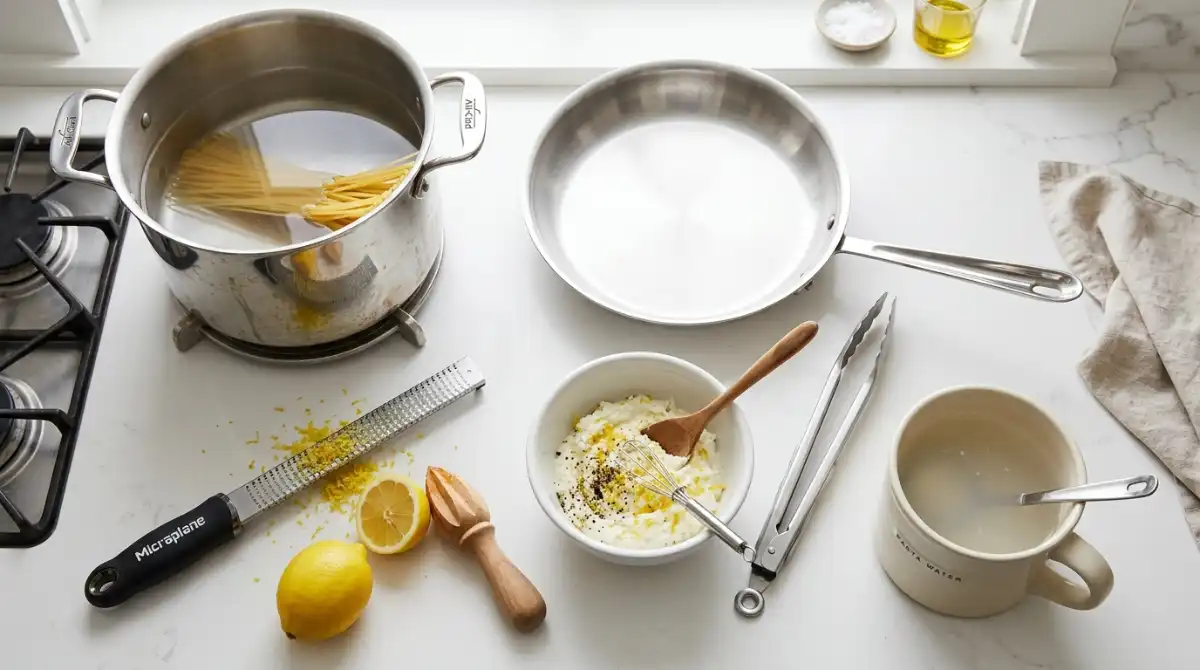
Before you boil a single cup of water, set everything up. Grate your garlic with a Microplane directly into the ricotta bowl. Zest your lemons over the same bowl — you catch every fragrant oil droplet. Measure out the ricotta. Grate the Parmesan. Have a heatproof mug or ladle sitting right beside the pot, ready to scoop pasta water before you drain.
Prep time for this lemon ricotta pasta is 10 minutes; cooking is 12 minutes. Everything must be ready before the pasta goes in — once it’s cooked, you’re moving quickly. This dish does not wait for you. And that, I promise, is part of its charm.
Step-by-Step Instructions
Preparation — Steps 1 to 4
Step 1 — Salt your water like the sea. Fill your largest pot with at least 4 liters of water and bring it to a rolling boil. Add 1 tablespoon of coarse sea salt — minimum. Unsalted pasta water is the number one reason people say this lemon ricotta pasta tastes ‘bland.’ The pasta absorbs flavor from the water as it cooks; this is your only chance to season from the inside out.
Yiayia’s Tip: Taste your pasta water before you drop in the pasta. It should taste pleasantly salty — not quite ocean-level, but close.
Step 2 — Build your ricotta sauce base. In a wide mixing bowl, combine 250g of whole milk ricotta, the zest of 2 lemons, 3 tablespoons of fresh lemon juice (about 1.5 lemons), 3 cloves of Microplane-grated garlic, 3 tablespoons of extra virgin olive oil, and a generous pinch of freshly cracked black pepper. Whisk until smooth. Taste it — intensely lemony, garlicky, slightly salty. It will mellow considerably once it hits the hot pasta.
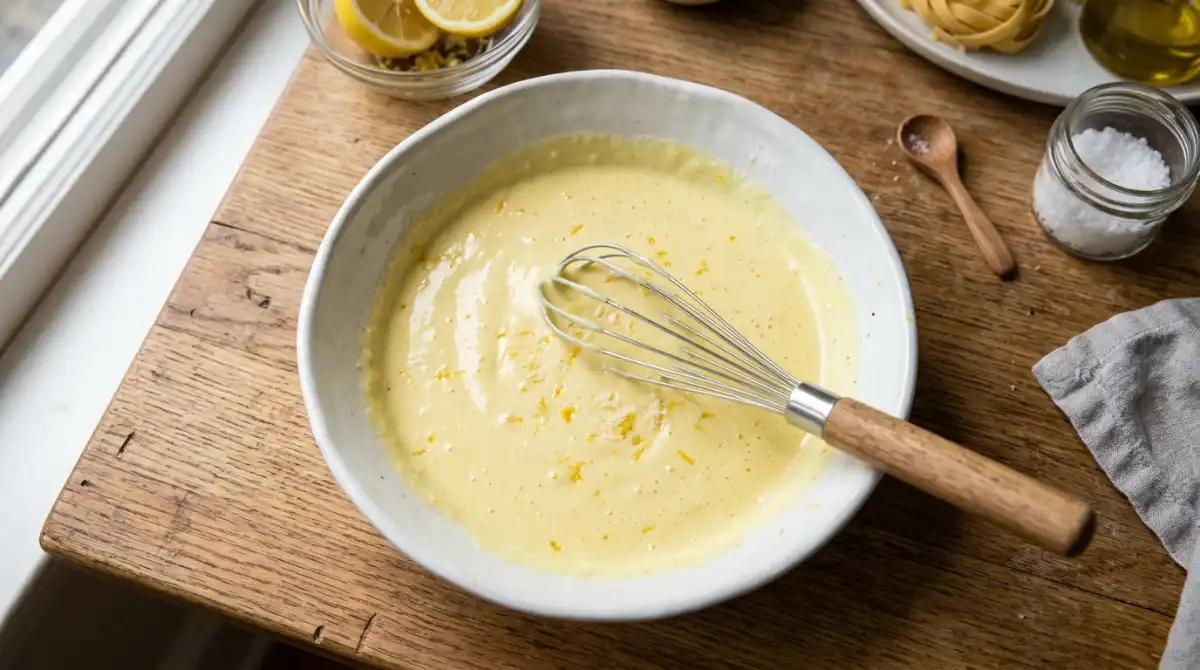
Step 3 — Cook pasta al dente. Drop pasta into the boiling water and cook per package directions, but subtract 1 minute. You want al dente — firm to the bite, with just a tiny white core visible when you snap a strand. The pasta continues to cook briefly when tossed with the warm sauce, so pulling it 1 minute early is non-negotiable.
Step 4 — Reserve the pasta water (CRITICAL). Before you touch the drain, scoop out at least 1 full cup (240ml) of pasta cooking water. Set it aside in a heatproof mug. This starchy, cloudy, salty liquid is the secret weapon in every authentic Italian pasta recipe. J. Kenji López-Alt calls pasta water ‘a sauce in itself’ in The Food Lab, and he is completely correct.
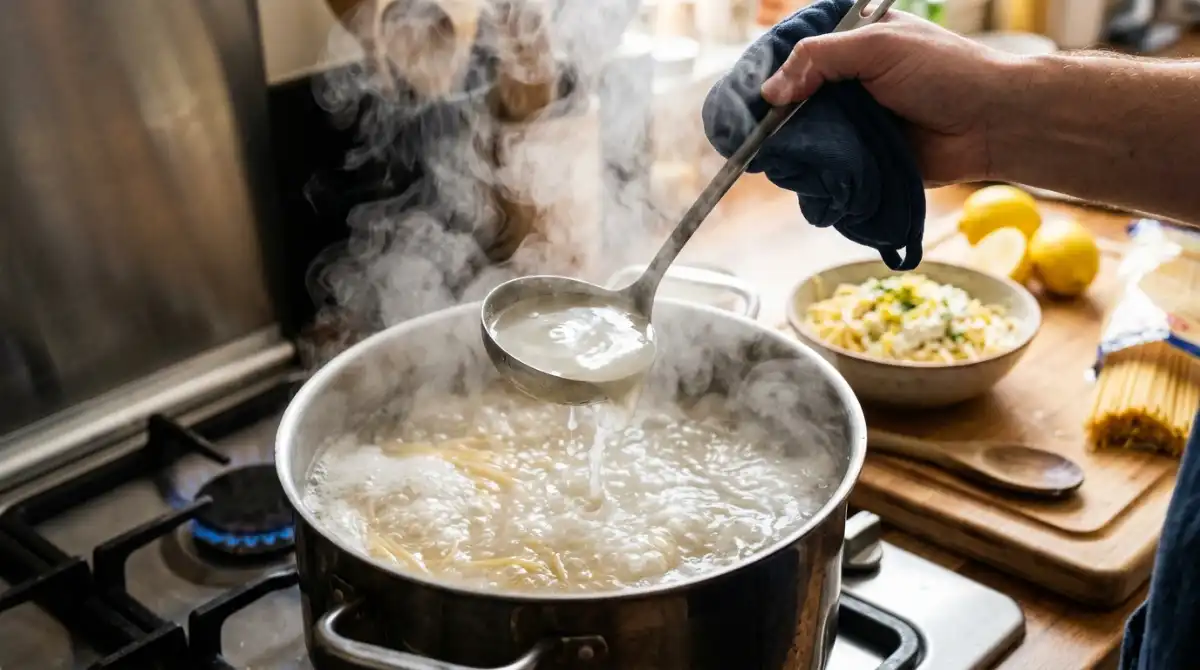
Yiayia’s Tip: Set the mug beside your pot BEFORE the pasta goes in. Make it a habit every single time — including for the simple creamy chicken orzo recipes you’ll want to try after this.
Cooking & Assembly — Steps 5 to 10
Step 5 — Loosen the ricotta with pasta water. Add about 60ml (1/4 cup) of hot pasta water to the ricotta mixture. Whisk vigorously until the sauce turns silky and pourable. This is the transformation moment — you will actually see the starch bind everything together into a cohesive, emulsified sauce. If it still looks grainy, add a splash more water and whisk harder.
Step 6 — Drain the pasta (never rinse it). Drain through a colander. Under no circumstances should you rinse the pasta — rinsing washes away the surface starch that helps sauce cling. No rinsing. Ever. Treat your al dente pasta with respect.
Step 7 — Toss pasta with the sauce over low heat. Return drained pasta to the pot or transfer to a wide shallow skillet. Pour the ricotta mixture over the top. Using tongs, toss everything together over the lowest flame possible — around 82°C / 180°F. Keep moving it. The lemon ricotta pasta sauce should coat every strand within about 90 seconds of constant tossing.
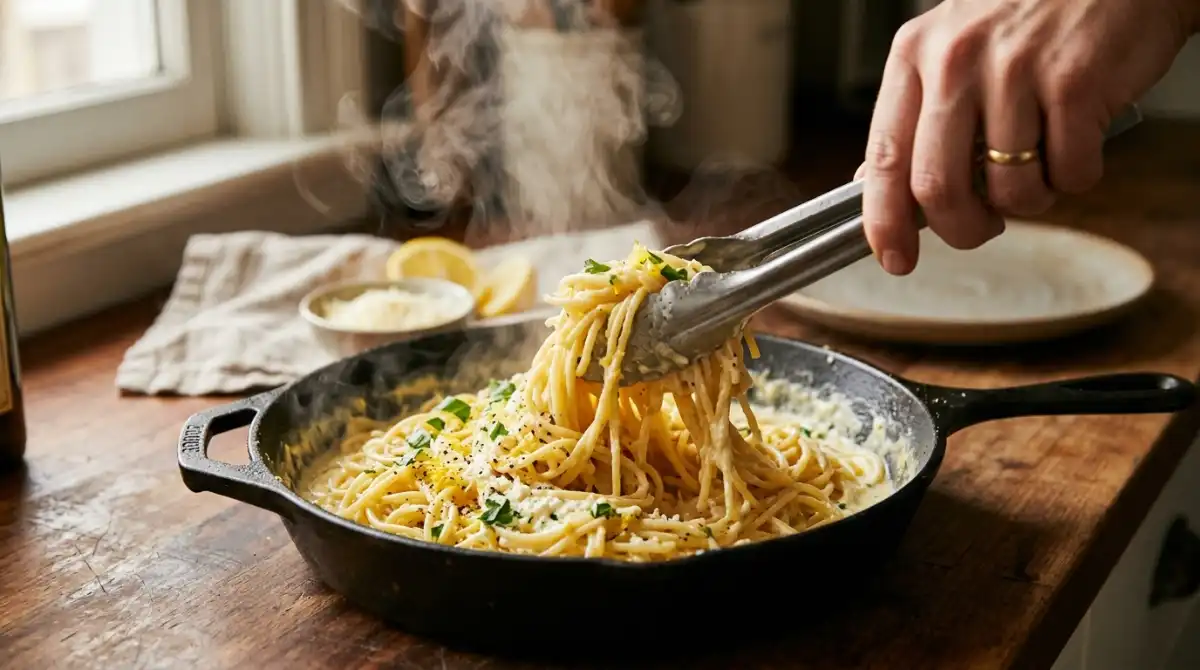
Step 8 — Add spinach and adjust consistency. If using spinach, add it now and toss until just wilted — 30 seconds maximum. A deep green against the creamy white sauce. Taste and season with salt. If the sauce feels too thick, add more pasta water a tablespoon at a time until you reach a consistency that drips slowly off the tongs.
Step 9 — Finish with parmesan off the heat. Remove the pan from heat entirely, then add 40g of grated Parmesan. Toss again. Adding cheese off the heat prevents it from seizing or turning grainy — think carbonara principle applied to a lemon garlic pasta.
Step 10 — Plate and finish. Divide into 4 warm bowls. Top with remaining parmesan, torn fresh basil, a fresh grating of lemon zest (non-negotiable — the aroma right before eating is extraordinary), and a generous crack of black pepper. A thin drizzle of your best olive oil finishes it. Serve immediately. This pasta waits for no one.
The Secret Touches
Three Techniques That Transform This Pasta
Secret 1 — Double Lemon: Use both zest AND juice. The zest contains fragrant citrus oils completely different from the juice. Juice provides acidity; zest provides aroma and depth. Using only juice creates flat, one-dimensional lemon flavor. My mother always said, ‘If you have a lemon, use all of it. Waste nothing.’ This is the Cretan way.
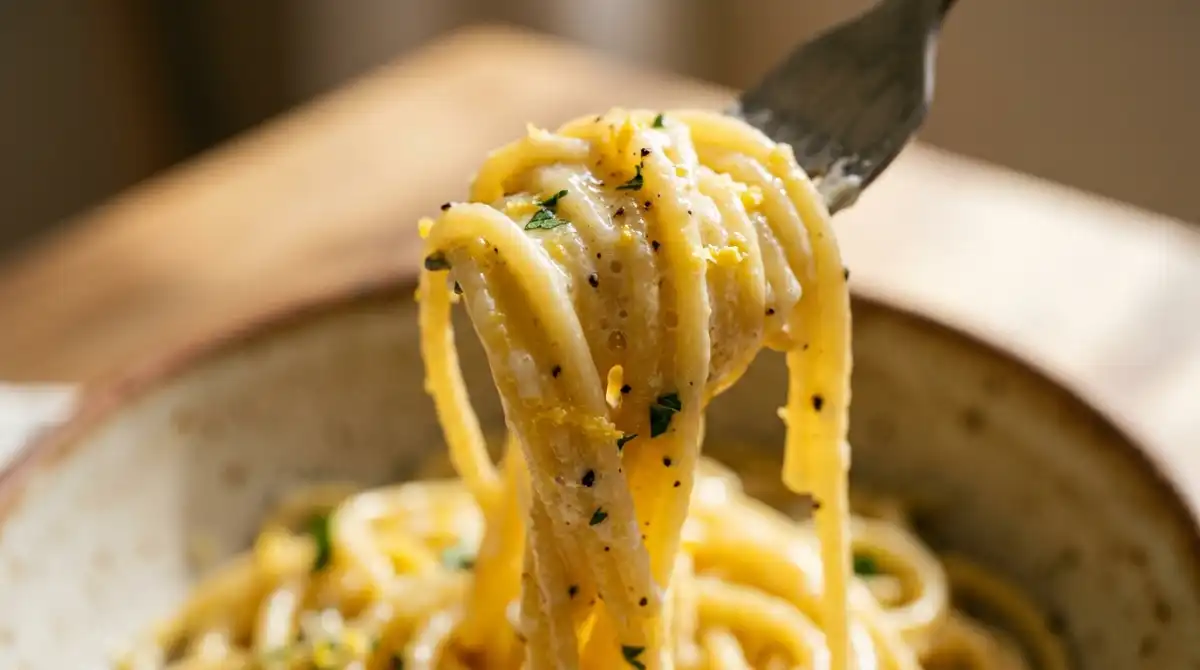
Secret 2 — The Microplane Garlic Technique: Grate the garlic directly into the ricotta bowl rather than mincing with a knife. The resulting paste melts invisibly into the sauce when hot pasta water hits it, giving you deep garlic flavor without any raw, harsh bite. This is the difference between a garlic pasta that smells aggressive and one that smells irresistible.
Secret 3 — The Carbonara Principle: Always add the final parmesan and herbs completely off the heat. The residual warmth of the pasta does all the work. High heat causes cheese proteins to seize and clump — it will look like scrambled eggs in your sauce. Patience at the finish line is what separates a restaurant-quality ricotta cheese pasta from a home cook’s attempt.
Common Mistakes to Avoid
| Mistake | What Happens | How to Fix It |
| Using part-skim ricotta | Sauce turns grainy, chalky, dry | Always use whole milk ricotta; if it looks watery, drain it first |
| Not reserving pasta water | Sauce clumps and won’t coat evenly | Place a mug beside the pot BEFORE pasta goes in — train the habit |
| Rinsing the pasta | Sauce slides off; pasta tastes bland | Never rinse pasta destined for a cream or cheese sauce |
| Adding lemon juice too early to ricotta | Acid curdles the ricotta before pasta water emulsifies it | Mix lemon into ricotta only moments before tossing — not hours ahead |
| High heat when tossing | Sauce breaks, becomes oily and separated | Keep heat absolute minimum; toss quickly and serve immediately |
| Under-salting the water | Entire dish tastes flat no matter how you season the sauce | Water should taste like mild seawater: about 10g salt per liter |
Variations & Serving Suggestions
Regional Variations and Modern Twists
Cretan Version: Add 1 tablespoon of dried wild oregano (rigani) from Crete and a handful of halved cherry tomatoes tossed in raw. The tomatoes blister slightly from the pasta heat, creating pockets of sweetness against the tart lemon. This is my favorite variation for summer.
Amalfi Coast Version: Omit the garlic, use extra lemon zest, and finish with toasted pine nuts and fresh tarragon. The most elegant version for a dinner party. For more spring vegetable pasta inspiration, try my pasta primavera recipe which shares that same spirit of fresh, bright vegetables.
Protein Version: Add grilled chicken, sautéed shrimp, or flaked salmon on top. Marinate the protein in lemon juice, garlic, and dried herbs first — the same flavor notes as the pasta, amplified. My pesto pasta with grilled chicken uses the same technique of marinating before grilling.
Weeknight Shortcut: Skip the fresh spinach and basil; use 1 teaspoon of dried basil instead. Dinner in literally 15 minutes, including the time it takes to boil the water.
What to Serve Alongside
This lemon ricotta pasta is a complete meal on its own, but it sings when paired well. For protein, serve it alongside my Greek marinated chicken thighs from the air fryer — the herby, charred chicken against the creamy citrus pasta is a combination I could eat every single week.
For a full vegetarian Mediterranean spread, add a bowl of my whipped feta with garlic confit dip and warm chunks of garlic parmesan focaccia alongside. That combination — creamy pasta, briny dip, pillowy bread — is what I serve when I want people to feel truly taken care of.
For beverages: sparkling water with a sprig of fresh mint or a lemon slice, cold homemade lemonade with a touch of honey, or traditional tsai tou vounou (Greek mountain tea) served iced. The delicate herbal notes of mountain tea echo the lemon brightness in this pasta in the most beautiful way.
Storage & Reheating
Storage Guide
| Method | Container | Duration | Notes |
| Refrigerator | Airtight glass container | Up to 3 days | Sauce absorbs into pasta overnight — it will look dry. This is normal. |
| Freezer | Not recommended | — | Ricotta-based sauces break upon thawing; texture becomes chalky and separated |
| Make-ahead (sauce only) | Sealed jar in fridge | Up to 2 days | Whisk again before using; add fresh pasta water when tossing with pasta |
| Room temperature | Not recommended | Max 2 hours | Dairy-based pasta should not sit at room temperature — food safety concern |
How to Reheat Lemon Ricotta Pasta
The stovetop method is the only one I endorse. Add cold pasta to a skillet with 2–3 tablespoons of water per serving. Heat on the lowest flame possible, tossing constantly, for about 3 minutes. The starch in the added water re-emulsifies the sauce back to something close to its original glory.
The microwave works in a pinch: cover with a damp paper towel, heat in 45-second bursts, stirring between each. The damp towel creates steam that prevents the lemon ricotta pasta from drying out. Always finish reheated pasta with a fresh grating of lemon zest and a drizzle of olive oil to restore the bright, aromatic notes that fade overnight. This also works beautifully with my grilled chicken Mediterranean bowl when you have leftovers that need a little love.
Frequently Asked Questions
Substitutions & Technique Questions
What pasta shape works best for lemon ricotta pasta?
Long shapes like spaghetti, linguine, and bucatini are my favorites — the sauce wraps itself around each strand. Short, ridged shapes like rigatoni and fusilli also work beautifully, trapping pockets of creamy ricotta sauce inside. Avoid tiny pasta shapes like orzo or ditalini; they get lost in the sauce rather than coated by it. For a similar approach with a heartier shape, try my creamy chicken orzo.
Why does my ricotta sauce look grainy or curdled?
Three culprits: part-skim ricotta (too low in fat), too-high heat when tossing, or adding lemon juice too far in advance (acid curdles proteins over time). Fix it with whole milk ricotta, low heat throughout, and assembling the sauce just before pasta finishes. If it curdles mid-toss, a vigorous whisk with a splash of hot pasta water usually rescues it completely.
Can I substitute parmesan?
Pecorino Romano is the most authentic swap — saltier and slightly sheepier, so reduce added salt by 25%. Grana Padano is milder. For dairy-free, nutritional yeast gives a nutty, umami quality that works surprisingly well alongside the lemon zest pasta sauce.
Does pasta water really matter that much?
Yes, completely. Pasta water contains dissolved starch that acts as a natural emulsifier — it is what binds the fat from the olive oil and ricotta with the water-based lemon juice into a unified, silky sauce. Plain water will not do the same job. This is the pasta water technique at the heart of nearly every great Italian pasta sauce, from carbonara to cacio e pepe
Dietary, Make-Ahead & Authenticity Questions
Is lemon ricotta pasta vegetarian?
Yes, completely — no meat, poultry, or fish. It is not vegan due to the dairy and potentially egg-based pasta. For a vegan version: cashew ricotta, nutritional yeast for the parmesan, and chickpea pasta for the base. It tastes different but is still absolutely delicious.
Can I make this pasta al limone ahead of time?
Prep the ricotta sauce base — without lemon juice — up to 24 hours ahead. Store covered in the fridge. Add the juice and pasta water only at the last moment before tossing, or the acid will gradually break down the ricotta texture. The pasta itself should always be cooked fresh. The whole dish takes 20 minutes — just do it fresh.
Is this recipe authentically Italian or Mediterranean?
Honestly, both — and neither strictly. Pasta al limone originates in Italy’s Campania and Amalfi regions, but ricotta appears throughout the entire Mediterranean from Sicily to Cyprus to Lebanon. Lemon is the soul of Mediterranean cooking from Crete to Beirut. I think of this as a dish that belongs to the whole sea.
How do I keep the sauce from drying out after tossing?
Keep heat very low and serve immediately in warmed bowls. Warm bowls are not optional — cold plates cool sauce within seconds and kill the creamy texture. Run your serving bowls under hot water for 30 seconds, dry quickly, then plate immediately. Your guests will notice the difference without knowing why.
Bringing the Mediterranean to Your Table
A Dish That Tells a Story
Every time I make this lemon ricotta pasta, I think of my grandfather’s taverna in Chania, of those late-July afternoons when the heat was thick and the only sensible thing to do was eat something cool, citrus-bright, and generous in the shade. This pasta is that feeling. Mediterranean sunshine in a bowl. As simple and as perfect as the sea itself.
Make this tonight. Make it this weekend for someone you love. Take a photo, drop a comment below — I want to know what you thought. Which variation did you try? Did you add the spinach? Did you go with spaghetti or linguine? Tell me everything. This blog was built on exactly those conversations.
Related Recipes You’ll Love
If this lemon ricotta pasta has put you in a pasta-loving mood, you will adore my creamy pesto chicken pasta bake — a one-pan wonder that is just as weeknight-friendly and even more filling. For something with bold tomato depth, my ragu alla Bolognese (alcohol-free, pork-free, and deeply satisfying) is worth every minute of the longer cook. If you love the citrus brightness in this pasta, my classic Greek lemon rice pilafi is the perfect side dish for any grilled protein. And for an elegant dessert to close the meal, my silky Greek yogurt panna cotta ties the whole Mediterranean table together.