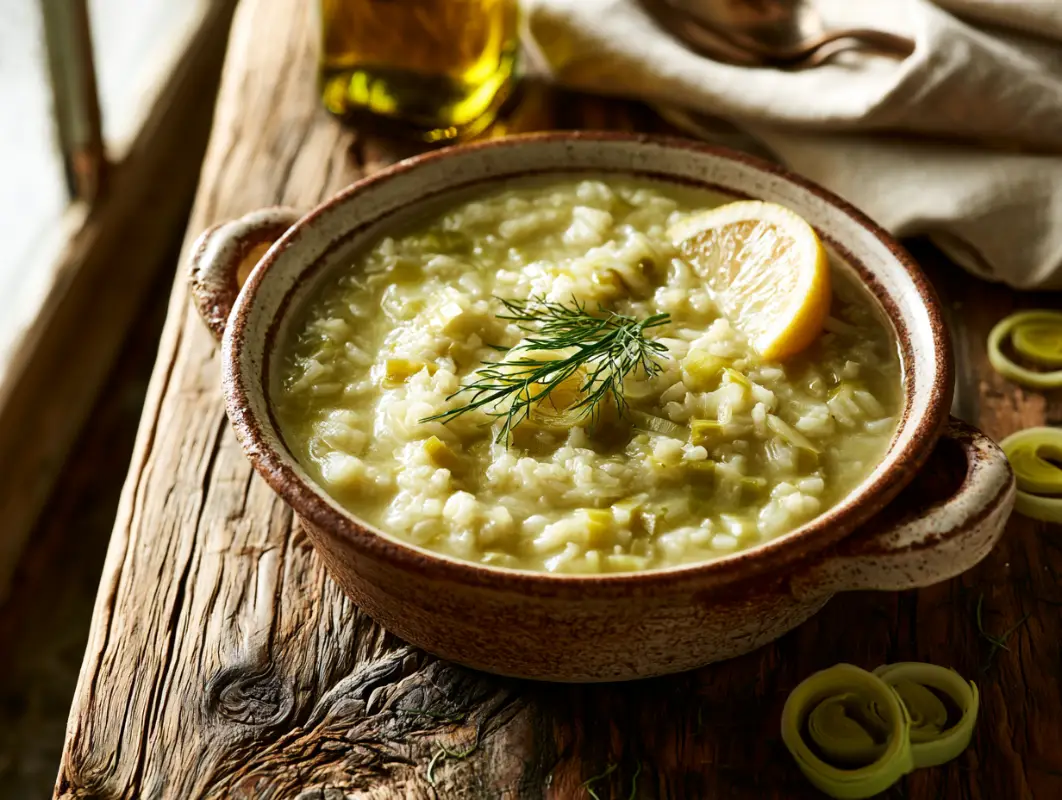
Let me tell you about the time I made prasorizo (Greek Leek Rice) for my friend Nadia’s Lenten dinner party in March 2023 and somehow managed to turn three beautiful leeks into what can only be described as gritty swamp paste. I’m not exaggerating. There was actual sand in the rice. Nadia, bless her, ate the whole bowl and told me it was “interesting” — which, honestly? Worse than if she’d just said it was bad.
That one catastrophic plate launched me into what I can only call a prasorizo obsession. I’ve now made this Greek leek and rice dish somewhere around forty-one times (yes, I kept a tally on a sticky note on my fridge like a normal person). And I’ve finally cracked the code. So here are the secrets that’ll take your prasorizo from sandy disaster to the creamiest, most comforting bowl you’ve ever tasted.
Table of Contents
Why This Prasorizo (Greek Leek Rice) Recipe Actually Works
The Science Behind the Creaminess
Here’s the thing about prasorizo that nobody talks about — it’s basically a risotto in disguise. When you use medium-grain rice (the Greeks call it Carolina rice, and I will die on this hill that it matters), the starches release slowly during cooking. Harold McGee explains this beautifully in On Food and Cooking — medium-grain rice has a higher amylopectin content than long-grain varieties, which is exactly what creates that luxurious, creamy texture without you having to stand there stirring like you’re making actual risotto.
The leeks themselves contribute to this magic too. As they cook low and slow, their cell walls break down and release natural sugars through caramelization (technically the Maillard reaction happening alongside), which gives prasorizo its signature sweetness. It’s food science doing all the heavy lifting while you just… stand there. I love it.
When to Make This Greek Comfort Food
Prasorizo is traditionally a Lenten Greek recipe, which means it shows up on tables across Greece during Orthodox fasting periods when meat and dairy are off limits. But honestly? This creamy leek rice is the kind of dish that doesn’t care about the calendar. Cold Tuesday night in February and you want something that feels like a warm hug? Prasorizo. Feeding a crowd on a budget? Prasorizo. Trying to impress someone with your knowledge of traditional Greek food while spending approximately four dollars on ingredients? Prasorizo. The flavors work beautifully alongside something like our crustless spinach and feta quiche for a full Mediterranean spread.
Essential Ingredients for Perfect Prasorizo
The Non-Negotiable Ingredients
Look, I get it — prasorizo seems like it’s just leeks and rice (the name literally translates to leek-rice, the Greeks are nothing if not efficient with naming). But the quality of your ingredients makes all the difference here. I learned this the hard way when I tried making it with that week-old leek that had been slowly decomposing in my crisper drawer. Don’t be like me. Here’s your shopping list with the specs that actually matter:
| Ingredient | Quality Spec | Why It Matters | USA Substitute |
| Medium-grain rice | Carolina or Arborio | Higher starch = creamier texture | Arborio from any grocery store |
| Leeks (3 large) | Firm, bright green tops | Sweet flavor when caramelized | Widely available at Whole Foods, Trader Joe’s |
| Extra virgin olive oil | Greek EVOO, cold-pressed | Flavor backbone of the dish | California Olive Ranch or Kirkland |
| Fresh dill | Bright green, no wilting | Signature herb of prasorizo | Available in most produce sections |
| Lemon (1-2) | Unwaxed, organic preferred | Brightness + acidity balance | Meyer lemons work beautifully |
| Yellow onion | Medium, firm | Aromatic base layer | Any yellow or sweet onion |
The Game-Changing Secret Ingredient
Okay so here’s where I might get controversial (well, controversial by prasorizo standards, which is admittedly a very low bar). A tablespoon of tomato paste. I know, I know — purists will say authentic prasorizo is always “white” without tomato. And they’re not wrong, technically. But some regions in Greece, particularly in the Peloponnese, add just a touch of tomato paste for depth and a slightly rosy color. It adds this background umami sweetness that’s — honestly? It’s subtle but transformative.
My neighbor Dimitris, who grew up in Kalamata, insists his grandmother always added it. So I’m going with Dimitris’s grandmother on this one. If you’re exploring Mediterranean flavors, you’ll find a similar approach to balancing bright and rich in our Mediterranean breakfast bowl which uses comparable layering techniques. For anyone looking for even more ways to use leeks, they pair wonderfully with the feta in our whipped feta dip as a side dip.
The Foolproof Method for Prasorizo
Preparation: The Part Everyone Skips
Remember my sand incident? Yeah. Cleaning leeks properly is non-negotiable. Leeks are basically nature’s dirt storage system. Cut them in half lengthwise, then slice into half-moons about 1 cm thick. Here’s where it gets important — fill a large bowl with cold water, dump the sliced leeks in, and swish them around. The dirt sinks, the leeks float. Lift them out (don’t pour through a colander, or you’ll just dump the dirt right back on them), and repeat until the water runs clear.
I usually do this three times because I’m paranoid now. Um, also? Don’t throw away the dark green tops entirely. They’re tougher, sure, but I chop them finely and they add great color and a more intense leek flavor. While your leeks drain, go ahead and rinse your rice in cold water until it runs clear. Then soak it for 15-20 minutes. This removes excess starch so your prasorizo ends up creamy, not gluey. There’s a difference, I promise. I once tested this side-by-side — batch 14 vs batch 15 on my sticky note tally — and the soaked rice was noticeably better.
Main Method: Low and Slow Wins the Race
Step 1: Heat 1/4 cup of good olive oil in a deep pot or Dutch oven over medium-low heat. Add one finely chopped onion and cook for 3-4 minutes until soft. Don’t rush this. The onion is laying the aromatic foundation — treat it with respect.
Step 2: Add all your cleaned leeks to the pot. This is where patience becomes your best friend. Cook the leeks on medium-low heat for 8-10 minutes, stirring occasionally, until they’re completely soft and starting to turn slightly golden. Kenji Lopez-Alt talks about this in his writing on allium cooking — low and slow extracts maximum sweetness. If you rush this step, your leeks will be bitter. Nobody wants bitter prasorizo.
Step 3: Add the optional tablespoon of tomato paste (if you’re team Dimitris’s grandmother) and stir for about 30 seconds until fragrant. Then add the drained, soaked rice and stir everything together for 1-2 minutes so the rice grains get coated in all that flavorful oil. This toasting step is actually similar to how you’d start a spicy rigatoni — building flavor layers from the start.
Step 4: Pour in 2 cups of hot water or vegetable broth. Bring to a boil, then immediately reduce to a gentle simmer. Cover and cook for 18-20 minutes. Resist the urge to peek — every time you lift that lid, you’re releasing steam and messing with the cooking time. I know it’s hard. Be strong.
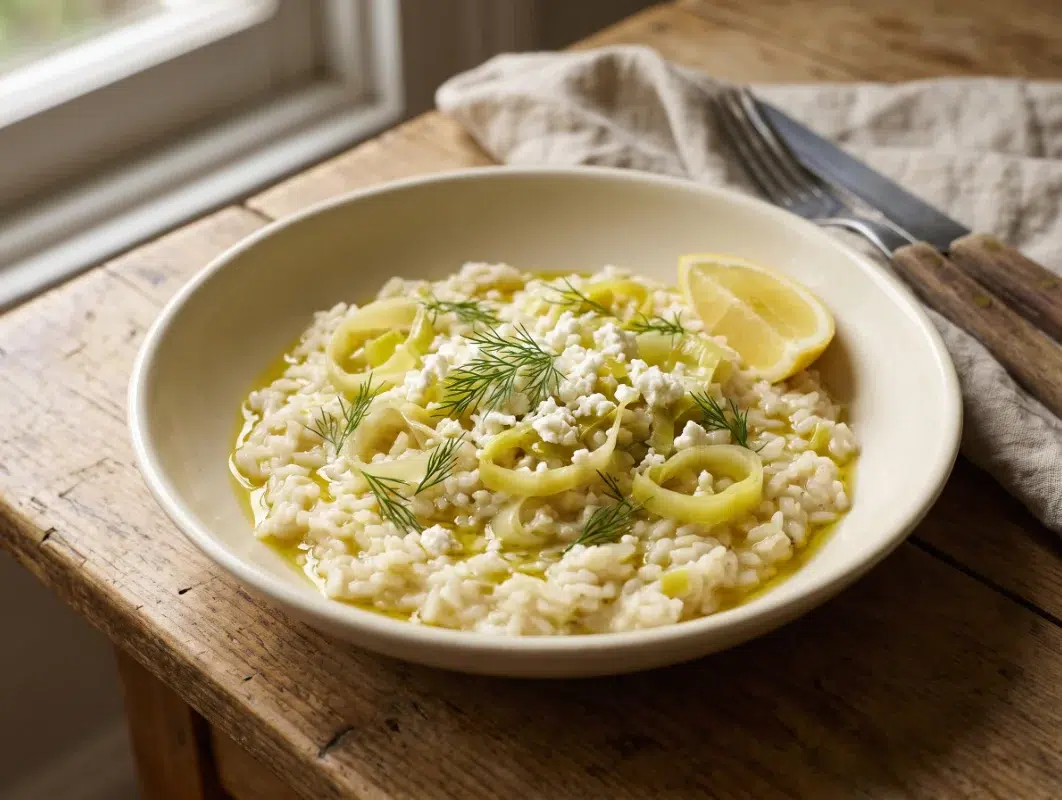
Step 5: When the liquid is mostly absorbed and the rice is tender, remove from heat. Add the juice of one lemon (or two if you’re a lemon person, and honestly who isn’t), the zest of one lemon, and a generous handful of chopped fresh dill. Season with salt and pepper. Let it rest with the lid on for 5-10 minutes before serving. This resting period lets the flavors meld and the rice continues to absorb any remaining liquid. Serve with a drizzle of olive oil and, if you’re not fasting, a big chunk of crumbled feta on top. The whole process pairs beautifully with serving a Mediterranean salads on the side for a complete Mediterranean meal.
Creative Prasorizo Variations
Switch It Up: Prasorizo Your Way
One of the things I genuinely love about this Greek rice pilaf is how forgiving it is. Like, you can take the basic framework and run with it in a dozen different directions. I’ve tested these variations obsessively (batches 20 through 34, if you’re curious about my sticky note), and here’s what works:
| Variation | How to Modify | Best For |
| Lemon-Herb Prasorizo | Add mint + parsley with dill, extra zest | Spring/summer meals |
| Tomato Prasorizo (red) | Add 2 tbsp tomato paste + 1 diced tomato | Heartier winter meals |
| Spinach Prasorizo | Stir in 2 cups baby spinach at end | Extra nutrition boost |
| Mushroom Prasorizo | Sauté 200g sliced mushrooms with leeks | Umami lovers |
| Pine Nut & Currant | Toast pine nuts + add currants with rice | Elegant entertaining |
Dietary Modifications
The beautiful thing about prasorizo is it’s naturally vegan and gluten-free — no modifications needed for those dietary needs. Paleo folks can swap the rice for cauliflower rice (though I’ll warn you, the texture is very different and purists will have feelings about it). For a protein boost, stir in chickpeas during the last 5 minutes of cooking. Budget-friendly tip: leeks can be pricey in some areas, so check farmers’ markets where they’re often half the grocery store price.
For more ideas on affordable Mediterranean eating, our gluten-free Mediterranean recipes collection has plenty of wallet-friendly options. And if you’re doing a full Mediterranean spread on a budget, the chicken zucchini fritters stretch a small amount of protein into a seriously satisfying meal.
Storage & Serving Guide
Storing Prasorizo Properly
Here’s a fun fact that genuinely surprised me — prasorizo tastes better the next day served at room temperature. I’m not making this up. Multiple Greek food sources confirm this, and batch 27 versus fresh batch 26 proved it in my own kitchen. The flavors deepen overnight. So if you’re meal prepping, you’re actually doing yourself a favor.
| Storage Method | Duration | Reheating Tips |
| Room temperature | Up to 2 hours | Best served this way — no reheating needed |
| Refrigerator (airtight) | 3-4 days | Add splash of broth, warm on low heat |
| Freezer | Up to 2 months | Thaw overnight, reheat gently with added liquid |
Meal Prep Strategies
I make a double batch every Sunday and it feeds me lunches through Wednesday. The trick to reheating is adding a splash of water or vegetable broth — rice absorbs liquid as it sits, so it’ll seem dry without it. Don’t microwave on high unless you enjoy rubbery rice (I did this once, it was not a proud moment). Low power, 2 minutes, stir, repeat. Or honestly just eat it cold straight from the container standing in front of the fridge at 11 pm like I sometimes do.
No judgment here. For more make-ahead Mediterranean inspiration, the approach works similarly to prepping components for our Mediterranean breakfast recipes collection, which is packed with ideas that taste better the next day. And for something sweet to complement your meal prep lineup, our pistachio tiramisu also improves overnight.
Nutritional Benefits of Prasorizo
I’m not a dietitian (please consult one if you have specific dietary needs), but I can tell you that prasorizo is one of those rare dishes that’s both comforting AND genuinely nutritious. The Mediterranean rice dish combines the fiber and vitamins from leeks with the energy from rice and the heart-healthy fats from olive oil. Here’s the breakdown per serving (approximately 1.5 cups):
Macronutrient Profile (per serving)
| Nutrient | Amount |
| Calories | 340 kcal |
| Total Fat | 14g |
| Saturated Fat | 2g |
| Carbohydrates | 47g |
| Fiber | 3g |
| Protein | 5g |
| Sodium | 390mg |
Key Micronutrients
| Micronutrient | Amount | % Daily Value |
| Vitamin K | 47 mcg | 39% |
| Vitamin C | 13 mg | 14% |
| Vitamin A | 1,340 IU | 27% |
| Iron | 3 mg | 17% |
| Manganese | 1.5 mg | 65% |
| Folate | 64 mcg | 16% |
The glycemic index of this Mediterranean leek dish is moderate (around 55-60) thanks to the fiber from leeks and the fat from olive oil, which slows carbohydrate absorption. Leeks are also a seriously underrated source of kaempferol, a flavonoid antioxidant linked to heart health. For anyone tracking anti-inflammatory foods, prasorizo checks a lot of boxes. And if you’re exploring more nutritious Mediterranean options, our crispy zucchini fritters are another powerhouse of hidden vegetables.
Prasorizo (Greek Leek Rice)
Ingredients
Method
- Clean the leeks properly: halve them lengthwise, slice into 1 cm half-moons, then swish in a large bowl of cold water and lift them out. Repeat until the water runs clear.
- Rinse the rice in cold water until it runs clear, then soak for 15–20 minutes and drain. This removes excess starch so the rice turns out creamy rather than gluey.
- Heat the olive oil in a deep pot or Dutch oven over medium-low heat. Add the chopped onion and cook 3–4 minutes until soft.
- Add the leeks and cook on medium-low for 8–10 minutes, stirring occasionally, until completely soft and just turning golden. Rushing this step makes the leeks bitter.
- Stir in the tomato paste, if using, for about 30 seconds until fragrant. Add the drained rice and stir for 1–2 minutes so every grain is coated in the oil.
- Pour in the hot water or broth. Bring to a boil, reduce to a gentle simmer, cover and cook for 18–20 minutes without lifting the lid.
- When the liquid is mostly absorbed and the rice is tender, remove from the heat. Stir in the lemon juice, lemon zest and dill, and season with salt and pepper.
- Rest with the lid on for 5–10 minutes before serving. Finish with a drizzle of olive oil and crumbled feta if you like.
Notes
Prasorizo FAQ
What does prasorizo mean in Greek?
Prasorizo comes from two Greek words: “praso” (leek) and “rizi” (rice). It literally translates to “leek-rice.” The Greeks keep their food names refreshingly straightforward.
What type of rice is best for prasorizo?
Medium-grain rice is essential for authentic creamy prasorizo. In Greece they use a variety called Carolina. If you can’t find that, Arborio rice is your best substitute. Long-grain rice like basmati will give you a pilaf texture rather than the signature creamy consistency of this Greek leek and rice dish.
Can I make prasorizo ahead of time?
Absolutely — and many Greeks actually prefer it that way. Prasorizo tastes even better the next day at room temperature. Store in an airtight container in the fridge for up to 4 days. Add a splash of broth when reheating.
Is prasorizo vegan and gluten-free?
Yes to both! Traditional prasorizo is naturally vegan (no dairy, no eggs, no meat) and completely gluten-free. It’s a staple during Greek Orthodox fasting periods precisely because it contains no animal products. The feta often served alongside is optional.
How do I clean leeks for prasorizo without getting sand in the dish?
Slice your leeks first, then submerge them in a large bowl of cold water. Swish vigorously and let sit for a minute — the dirt sinks to the bottom. Lift the leeks out (don’t drain through a colander) and repeat 2-3 times until the water is completely clear.
Can I use dried dill instead of fresh in this Greek rice pilaf?
You can, but fresh dill makes a significant difference in this recipe. If using dried, use only 1/3 of the amount — about 1 teaspoon of dried dill instead of 1 tablespoon fresh. Add it earlier in the cooking process so the dried herbs have time to rehydrate.
What can I serve with prasorizo?
The traditional pairing is crumbled feta cheese and crusty bread. Prasorizo also works beautifully as a side dish alongside grilled chicken, roasted lamb, or pan-seared fish. For a complete vegan meal, pair it with a Greek salad and hummus.
Pairing & Serving Ideas for Prasorizo
Perfect Flavor Combinations
| Category | Pairing Suggestion | Why It Works |
| Protein | Grilled chicken thighs with lemon-herb marinade | Bright citrus echoes the lemon in prasorizo |
| Seafood | Pan-seared salmon with dill | Dill ties both dishes together beautifully |
| Salad | Classic Greek salad (horiatiki) | Feta + olive + tomato contrast the creamy rice |
| Bread | Warm crusty sourdough or pita | Soaks up the gorgeous olive oil broth |
| Dip | Tzatziki or hummus | Cool, creamy contrast to warm prasorizo |
Occasion-Based Serving Ideas
For a weeknight dinner, I honestly just eat prasorizo straight from the pot with a spoon and a hunk of feta. But for entertaining? It’s a stunning centerpiece for a Mediterranean-themed dinner. Serve it family-style in a big shallow bowl with lemon wedges, extra dill, and a generous drizzle of your best olive oil. Pair with sparkling water with fresh mint, homemade lemonade, or a warm cup of mint tea — all gorgeous non-alcoholic options that complement the bright, herby flavors. Our Mediterranean breakfast board approach works beautifully for laying out prasorizo as part of a larger spread, and don’t forget to add a side of our chimichurri hummus for a fusion twist that sounds weird but genuinely works.
Make Prasorizo Your Own
Your Kitchen, Your Rules
Here’s what I want you to take away from this whole prasorizo journey (and believe me, it has been a journey — forty-one batches and counting): this dish is meant to be personal. Every Greek grandmother makes it differently. Some add tomato, some don’t. Some use dill, others prefer mint. Some insist on room temperature serving, others want it steaming hot. The only real rule is to use good olive oil and clean your leeks properly (please, learn from my mistakes).
So go ahead and make it your own. Maybe you’ll add spinach like batch 22. Maybe you’ll throw in some pine nuts like batch 31. Maybe you’ll keep it classic and simple. There’s no wrong answer here, and if you need more inspiration, our Mediterranean desserts collection might give you ideas for what to serve after. Just don’t skip the lemon. That’s the one thing I will not budge on.
Join the Conversation
I genuinely want to know how your prasorizo turns out. Did you go team tomato or team no-tomato? Did you discover a variation I haven’t tried yet? (Seriously, I’ll add it to my sticky note.) Drop a comment below or tag us on social media with your creations. And if you’re looking for more traditional Greek food to explore, browse through our Mediterranean salads and Mediterranean breakfast recipes for dishes that share the same simple-but-spectacular philosophy. Happy cooking, friends. May your leeks always be clean and your rice always be creamy.