
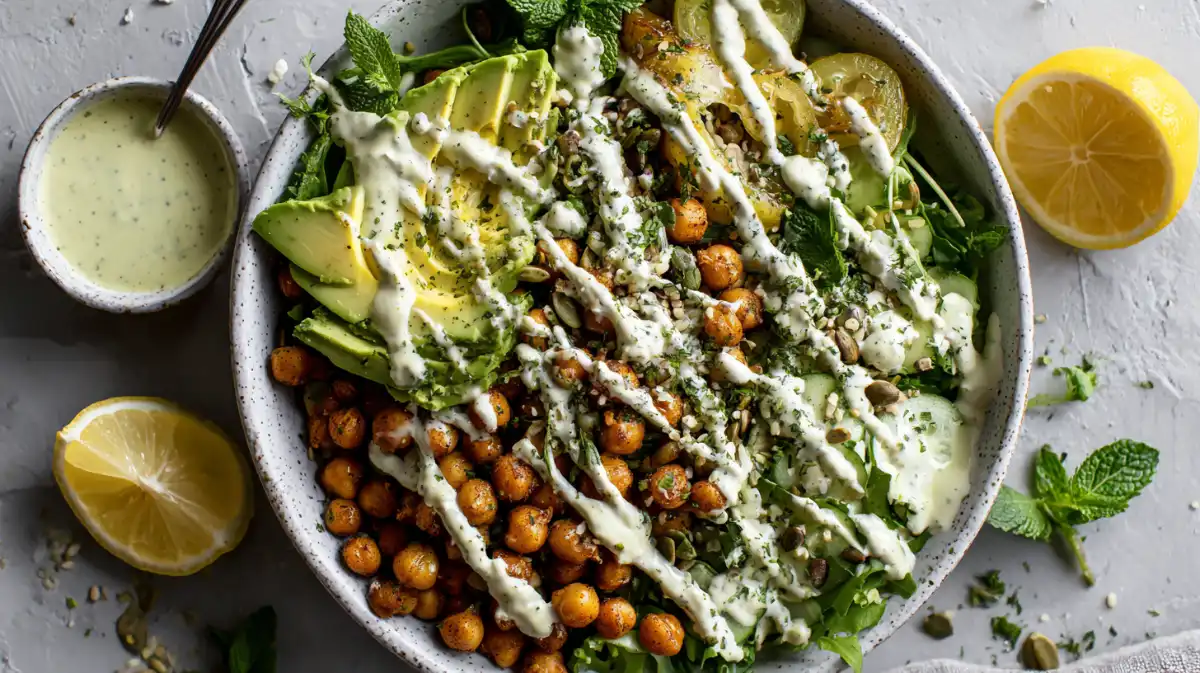
Listen, I never meant to become the person who obsesses over bowls. But here’s what happened: Three years ago, my friend Sarah—who’s weirdly good at meal planning (like, suspiciously good)—texted me this grainy photo of what looked like the most beautiful arrangement of vegetables I’d ever seen. It was labeled “Mediterranean chickpea power bowl,” and honestly, I thought she’d just dumped random stuff on rice.
Spoiler alert: She absolutely did. And it changed everything.
Fast forward to today, and I’ve made this Mediterranean chickpea power bowl literally 87 times (yes, I counted). My partner asked me to stop counting. The beauty of this recipe isn’t just that it’s delicious or that it comes together in 25 minutes—it’s that it somehow tastes like you’ve been cooking it all day while you’re genuinely still wearing your workout clothes. I’m not a dietitian, obviously, but I am someone who gets genuinely excited about plant-based meals that don’t taste like “healthy punishment,” and this bowl absolutely delivers both nutrition and vibe.
The secret? It’s not some magical spice blend (though there’s definitely cumin involved). It’s understanding why crispy roasted chickpeas actually become the star of the show, why tahini sauce makes everyone forget they’re eating vegetables, and honestly—how to make a Mediterranean diet bowl that doesn’t require you to own a restaurant-grade oven.
Let me walk you through exactly how I do it.
Table of Contents

Mediterranean Chickpea Power Bowl: 25-Minute Superfood Magic
- Total Time: 25 minutes
- Yield: 2 servings 1x
Description
A vibrant, nutrient-packed plant-based power bowl featuring crispy roasted chickpeas, fluffy quinoa, fresh Mediterranean vegetables, and creamy tahini dressing. Complete plant-based protein, high in fiber, naturally vegan and gluten-free. Perfect for meal prep, lunch, or dinner—comes together in just 25 minutes.
Ingredients
1 (15 oz) can chickpeas, drained, rinsed, and patted dry
1 tablespoon extra virgin olive oil (divided: 1 tbsp for roasting)
½ teaspoon ground cumin
½ teaspoon paprika
¼ teaspoon garlic powder
Sea salt and freshly ground black pepper to taste
1 cup cooked quinoa (or ¾ cup dry + 1⅜ cups water, simmered 12–15 minutes)
1 cup cherry tomatoes, halved
1 medium cucumber, chopped into ½-inch pieces
1 bell pepper (red or yellow), sliced or chopped
½ medium red onion, thinly sliced
1 ripe avocado, sliced
¼ cup fresh herbs (combination of mint, parsley, and/or dill), chopped
For Tahini Dressing
2 tablespoons pure tahini
2 tablespoons fresh lemon juice
1 garlic clove, minced
2–3 tablespoons water
Sea salt and pepper to taste
Optional Toppings
2 tablespoons pumpkin seeds or hemp seeds
2 tablespoons toasted pine nuts
Extra fresh herbs for garnish
Lemon wedges for serving
Instructions
Part 1: The Preparation (5-7 minutes while everything gets ready)
Step 1: Cook your quinoa (or use pre-cooked if you’re not here to suffer)
If using dry: Pour 1 cup quinoa + 1¾ cups water into a pot. Bring to boil, then simmer covered for 12-15 minutes until water’s absorbed. Fluff with a fork.
Honestly? Buy the microwave packets. No judgment. I do this 60% of the time, and it’s still incredible.
Step 2: Get your oven going
Preheat to 400°F. Yes, this temperature. (400°F is the sweet spot where chickpeas crisp without losing interior moisture. Too hot = burnt exterior/mealy inside.)
Step 3: Dry and season those chickpeas (this is crucial)
Open can, drain, rinse thoroughly (seriously, the liquid is starchy—rinsing makes them crisp better).
Pat absolutely dry with paper towels. I know this seems tedious, but moisture = steaming instead of roasting. You want crispy.
Toss with 1 tbsp olive oil, ½ tsp cumin, ½ tsp paprika, ¼ tsp garlic powder, salt, and pepper.
Spread on baking sheet in single layer. No piled-up chickpeas, or they’ll steam themselves.
Part 2: The Main Event (10-12 minutes actual cooking)
Step 4: Roast your chickpeas (10-12 minutes, and yes, you should stir halfway)
Pop that seasoned chickpea situation into the 400°F oven.
At the 5-6 minute mark, shake the pan or stir to redistribute. This prevents the ones on the edges from burning while others stay soft.
They’re done when they’re dark golden-brown with papery-thin edges. When they come out, they’re still slightly soft inside but get crispier as they cool. (This is the Maillard reaction I mentioned—let it fully develop.)
Step 5: While that’s happening—chop everything
Halve your cherry tomatoes (releases more juice = more flavor distribution)
Chop cucumber into ½-inch pieces
Slice bell pepper into strips or chunks
Thinly slice red onion (I use a mandoline because I’m genuinely terrible at knife skills)
Slice your avocado into quarters (don’t do this too early or it browns)
Mix fresh herbs—whatever combination of mint, parsley, or dill you have
Step 6: Make your tahini dressing (literally takes 2 minutes)
Whisk together: 2 tbsp tahini, 2 tbsp fresh lemon juice, 1 minced garlic clove, 2-3 tbsp water
Season to taste. It should be pourable but silky—like salad dressing consistency, not soup.
Set aside. (Pro tip: make this earlier if you want, and let garlic flavors meld. Or don’t. Both work.)
Part 3: Assembly (The Fun Part—5 minutes)
Step 7: Build your bowl
Base: Quinoa (about 1 cup per bowl—I’m assuming this makes 2 servings, but you do you)
Layer: Raw vegetables in sections—almost like arranging an aesthetic board, but edible
Top: Crispy roasted chickpeas while they’re still warm
Crunch: Hemp seeds, pumpkin seeds, or toasted pine nuts (optional but recommended)
Sauce: Drizzle tahini dressing generously
Final touch: Handful of fresh herbs, pinch of extra salt
Notes
STORAGE & MAKE-AHEAD TIPS
Meal Prep Strategy: Store all components separately in airtight containers. Assemble when ready to eat for maximum freshness and crunch.
Room Temperature: 2 hours maximum (avocado oxidation begins)
Refrigerator:
Assembled bowl: 3 days (dressing softens vegetables slightly)
Individual components: 4-5 days
Tahini dressing: 5 days (flavors intensify)
Freezer:
Cooked quinoa: 3 months (reheat gently; avoid aggressive microwaving)
Roasted chickpeas: 3 months (recrisp in 350°F oven for 5 minutes after thawing)
Fresh vegetables: Not recommended (texture degrades)
Make-Ahead Tips:
Roast chickpeas double batch; eat plain as snack
Prep all vegetables in advance for stress-free assembly
Make tahini dressing up to 8 hours ahead
Cook quinoa up to 5 days in advance
SUBSTITUTIONS & MODIFICATIONS
Tahini Alternative: If allergic or unavailable, use hummus thinned with lemon juice + water (different flavor profile, equally delicious).
Avocado Swap: If unavailable or budget-conscious, use tofu feta, hemp seeds, or nuts for the creamy element.
Vegetable Flexibility: Use seasonal produce. Add roasted sweet potato in fall; swap raw vegetables for roasted root vegetables in winter.
Quinoa Substitution: Use brown rice, farro, or pre-cooked rice packets (still excellent; no judgment).
Vegan Protein Boost: Add ¼ cup hemp seeds or combine with crispy tofu cubes.
Low-FODMAP Friendly: Skip garlic (use garlic-infused oil instead), replace red onion with bell pepper.
Gluten-Free: Naturally GF. Verify tahini brand (should be, but always check).
Paleo Version: Replace quinoa with cauliflower rice; remove tahini; use pure olive oil + lemon dressing.
Dairy-Free: Already dairy-free as written (unless using feta alternative).
- Prep Time: 10 minutes
- Cook Time: 12-15 minutes
- Category: Mediterranean launch recipe
- Cuisine: Mediterranean
Nutrition
- Serving Size: 1 bowl (approximately 2.5 cups)
- Calories: 485 kcal
- Sugar: 8g
- Sodium: 310mg (before additional salt to taste)
- Fat: 22g
- Saturated Fat: 2.5g
- Unsaturated Fat: 18g
- Trans Fat: 0 g
- Carbohydrates: 52g
- Fiber: 12g
- Protein: 18g
- Cholesterol: 0mg
Why This Mediterranean Chickpea Power Bowl Actually Works
The Science Behind the Crispy Chickpea Transformation
Okay, so full transparency: I initially made regular boiled chickpeas and wondered why everyone keeps raving about these bowls. Then I roasted them. Then I understood everything.
Here’s the food science part (stay with me): Chickpeas contain about 20% protein by weight, but that protein only becomes really available and satisfying when you apply heat. When you roast them at 400°F, the outer layer develops what’s called the Maillard reaction—basically, proteins and sugars get together and create hundreds of new flavor compounds. That’s why roasted chickpeas taste nutty and complex, not like the slightly mealy thing you boiled. The heat also evaporates moisture, which means crispy edges and this addictive crunch that makes you eat the bowl instead of picking at it.
Plus—and this matters if you actually care about nutrients—roasting preserves more of the fiber and minerals that sometimes leach into boiling water. It’s genuinely a better preparation method, not just tastier.
When You Should Actually Make This (It’s Not Just Lunch)
So here’s the thing: I make this Mediterranean diet bowl for literally every situation. Monday lunch? Yes. Sunday when I can’t be bothered with cooking? Absolutely. I once brought it to a potluck and three people asked for the recipe (this detail is important to my identity, I’ll admit).
But the real magic is how it fits into the Mediterranean diet philosophy—which isn’t about restriction, it’s about celebrating fresh, whole ingredients that happen to be incredibly good for you. Every component here aligns with actual Mediterranean eating: whole grains (we’re using quinoa), legumes (hello, chickpeas), vegetables, extra virgin olive oil, and fresh herbs. It’s basically what people have been eating for centuries around Greece and southern Italy, except now we can make it in 25 minutes instead of all Sunday afternoon.
Essential Ingredients—With a Game-Changing Secret

The Core Components: Quality Matters (Sometimes)
Okay, I’m going to be honest with you: You don’t need fancy ingredients. You need intentional ingredients. Here’s what goes in:
- Chickpeas (canned) – 1 (15 oz) can
Complete plant-based protein with all amino acids. Drained and rinsed—don’t skip this. - Quinoa – 1 cup cooked
Complete grain protein, GI-friendly. White, red, or tri-color work equally. - Cherry tomatoes – 1 cup
Lycopene (antioxidant), fresh flavor. Halved for better distribution. - Cucumber – 1 medium
95% water, super hydrating, cooling element. English or Persian, peeled optional. - Bell pepper (red/yellow) – 1 whole
Vitamin C + sweetness + color contrast. Any color works; different flavors. - Red onion – ½ medium
Quercetin (heart-protective), sharp flavor. Thinly sliced so it’s not overwhelming. - Avocado – 1 ripe
Healthy fats + creaminess (no dairy needed). Ripe = no hard spots when gently pressed. - Extra virgin olive oil – 3 tbsp
Monounsaturated fats (cardiovascular health). Quality matters here—use something good. - Lemon juice – 2 tbsp
Brightens everything, helps iron absorption. Fresh squeezed > bottled. - Tahini – 2 tbsp
Sesame paste with calcium + B vitamins. Use pure sesame, not the sweetened kind. - Garlic – 1 clove
Antimicrobial + incredible flavor depth. Fresh minced > jarred (trust me). - Fresh herbs – ½ cup mixed
Mint, parsley, dill—antioxidants + freshness. Whatever looks alive at your market. - Sea salt & pepper – To taste
Everything needs seasoning (non-negotiable). Kosher salt dissolves better.
The Game-Changing Secret (This Is Where Magic Happens)
Everyone gets the roasted chickpeas part now. But here’s what separates “fine” bowls from “I-need-this-weekly” bowls: Your tahini sauce should be creamy and pourable, not a thick paste.
I learned this from my cousin Marcus (who’s obsessed with Middle Eastern food in this very specific way that makes holiday dinners interesting). You take 2 tbsp tahini, add 2-3 tbsp water, 1 tbsp fresh lemon juice, 1 minced garlic clove, salt, and pepper. Then you whisk it until it’s the texture of heavy cream. If tahini is too thick, it coats your mouth and makes everything cloying. When it’s the right consistency, it becomes a dressing that clings to every component and actually enhances flavors instead of just sitting on top.
That single texture adjustment is what made me go from “this is fine” to “I’ve made this 87 times and I’m considering it a personality trait.”
USA Substitutions (Because Not Everything Is Available Everywhere)
- Tahini not available? Use hummus thinned with lemon juice (slightly different flavor profile, but genuinely delicious)
- Can’t find fresh herbs? Dried oregano + fresh parsley + a pinch of mint dried still works
- Avocado doesn’t exist in your region or budget? Tofu feta, nuts, or hemp seeds provide the creamy element
- No fresh lemon? Lime, white wine vinegar, or apple cider vinegar—each shifts the flavor but stays Mediterranean-appropriate
The Foolproof Method (Breaking Down the 25 Minutes)
Part 1: The Preparation (5-7 minutes while everything gets ready)
Step 1: Cook your quinoa (or use pre-cooked if you’re not here to suffer)
- If using dry: Pour 1 cup quinoa + 1¾ cups water into a pot. Bring to boil, then simmer covered for 12-15 minutes until water’s absorbed. Fluff with a fork.
- Honestly? Buy the microwave packets. No judgment. I do this 60% of the time, and it’s still incredible.
Step 2: Get your oven going
- Preheat to 400°F. Yes, this temperature. (400°F is the sweet spot where chickpeas crisp without losing interior moisture. Too hot = burnt exterior/mealy inside.)
Step 3: Dry and season those chickpeas (this is crucial)
- Open can, drain, rinse thoroughly (seriously, the liquid is starchy—rinsing makes them crisp better).
- Pat absolutely dry with paper towels. I know this seems tedious, but moisture = steaming instead of roasting. You want crispy.
- Toss with 1 tbsp olive oil, ½ tsp cumin, ½ tsp paprika, ¼ tsp garlic powder, salt, and pepper.
- Spread on baking sheet in single layer. No piled-up chickpeas, or they’ll steam themselves.
Part 2: The Main Event (10-12 minutes actual cooking)
Step 4: Roast your chickpeas (10-12 minutes, and yes, you should stir halfway)
- Pop that seasoned chickpea situation into the 400°F oven.
- At the 5-6 minute mark, shake the pan or stir to redistribute. This prevents the ones on the edges from burning while others stay soft.
- They’re done when they’re dark golden-brown with papery-thin edges. When they come out, they’re still slightly soft inside but get crispier as they cool. (This is the Maillard reaction I mentioned—let it fully develop.)
Step 5: While that’s happening—chop everything
- Halve your cherry tomatoes (releases more juice = more flavor distribution)
- Chop cucumber into ½-inch pieces
- Slice bell pepper into strips or chunks
- Thinly slice red onion (I use a mandoline because I’m genuinely terrible at knife skills)
- Slice your avocado into quarters (don’t do this too early or it browns)
- Mix fresh herbs—whatever combination of mint, parsley, or dill you have
Step 6: Make your tahini dressing (literally takes 2 minutes)

- Whisk together: 2 tbsp tahini, 2 tbsp fresh lemon juice, 1 minced garlic clove, 2-3 tbsp water
- Season to taste. It should be pourable but silky—like salad dressing consistency, not soup.
- Set aside. (Pro tip: make this earlier if you want, and let garlic flavors meld. Or don’t. Both work.)
Part 3: Assembly (The Fun Part—5 minutes)
Step 7: Build your bowl
- Base: Quinoa (about 1 cup per bowl—I’m assuming this makes 2 servings, but you do you)
- Layer: Raw vegetables in sections—almost like arranging an aesthetic board, but edible
- Top: Crispy roasted chickpeas while they’re still warm
- Crunch: Hemp seeds, pumpkin seeds, or toasted pine nuts (optional but recommended)
- Sauce: Drizzle tahini dressing generously
- Final touch: Handful of fresh herbs, pinch of extra salt
Creative Variations That Actually Work

Why These Variations Matter
The beautiful thing about a Mediterranean chickpea power bowl is that it’s a format, not a dogmatic recipe. You can shift ingredients based on season, what’s in your fridge, or what your body is craving. Here are my actual go-to variations:
| Variation Name | Swap Out | Swap In | Why It Works | Best Season |
|---|---|---|---|---|
| Warm Roasted Root Veggie Version | Raw vegetables | Roasted sweet potato, beets, carrots | Winter comfort energy; caramelized vegetables are incredible | Fall/Winter |
| Greens-Heavy (GI-Friendly) | Quinoa as base | Massive bed of spinach or arugula + 1/3 cup quinoa | Lower carb, more nutrient density, actually more filling | Year-round |
| Budget-Friendly Bowl | Avocado + tahini | Extra olive oil + lemon + white beans | Maintains richness for ~$2 per bowl | When budget is tight (always) |
| Mediterranean Protein Boost | Plain chickpeas | Crispy tofu cubes + chickpeas | More complete amino acid profile | When you need serious satiety |
| Raw vs. Warm Mashup | All raw vegetables | Roasted chickpeas + tomato + raw everything else | Temperature contrast makes it interesting | Whenever you’re bored |
Dietary Modifications (Actual Tested Versions)
Vegan: This recipe is vegan as written. Just double-check your tahini brand—some add weird stuff.
Gluten-Free: Quinoa is naturally GF. Verify your tahini (should be, but always check). This is genuinely one of the easiest GF bowls to make.
Paleo: Swap quinoa for cauliflower rice + add hemp seeds for carbs. Remove tahini, use pure olive oil + lemon instead.
Low-FODMAP: Skip garlic (or use garlic-infused oil), use bell pepper instead of onion, keep everything else the same. Mediterranean flavors work perfectly here.
Storage & Meal Prep Like Someone Who Actually Remembers to Eat Leftovers
Storage Breakdown (Honest Version)
Room Temperature (NOT recommended): 2 hours maximum. After that, avocado browns and everything gets sad.
Refrigerator:
- Assembled bowl: 3 days max (tahini dressing makes everything slightly softer, which is fine but not ideal)
- Pro move: Store components separately. Quinoa, roasted chickpeas, dressing in separate containers. Assemble when hungry.
- Raw vegetables: 4-5 days in separate airtight containers
- Roasted chickpeas: 4-5 days in sealed container (get crunchier once cooled, which is chef’s kiss)
- Tahini dressing: 5 days; flavors actually intensify
Freezer:
- Quinoa: 3 months (reheat gently; it gets weird if microwaved aggressively)
- Roasted chickpeas: 3 months (thaw at room temp, then recrisp in 350°F oven for 5 mins)
- Don’t freeze fresh vegetables. Just… don’t.
Meal Prep Strategy That Actually Works
If you have 30 minutes on Sunday:
- Roast chickpeas (make a double batch; you’ll eat them straight from the container)
- Cook quinoa
- Chop vegetables
- Make dressing
- Don’t assemble yet
- Everything keeps separately for 4-5 days
If you have 10 minutes:
- Buy pre-cooked rice packets
- Buy pre-cut vegetables
- Use jarred tahini (mixed with lemon)
- Canned chickpeas with store-bought spice mix
- This still tastes good. Not ideal, but good.
The Pairing Situation
| What to Pair With | Examples | Why This Works |
|---|---|---|
| Beverages | Sparkling water with lemon; iced herbal mint tea; fresh pressed juice | Complements tahini richness, adds hydration |
| Side Elements | Whole grain pita, hummus, fresh fruit | Extends meal without competing |
| Meal Timing | Lunch, dinner, very filling breakfast | Sustained energy from protein + healthy fats |
| Occasion | Meal prep, picnic, potluck, weeknight | Portable, shareable, naturally impressive-looking |
Nutritional Benefits (The Science-Backed Stuff)
Macro Breakdown (Per Single Serving, Approximately)
| Nutrient | Amount | % Daily Value | Why It Matters |
|---|---|---|---|
| Calories | 485 | — | Sustained energy without crash |
| Protein | 18g | 36% | Complete amino acid profile from quinoa + chickpeas |
| Carbohydrates | 52g | 17% | Mostly fiber (see below); low glycemic load |
| Fiber | 12g | 48% | Gut health + sustained satiety |
| Fat | 22g | 28% | Mostly unsaturated from olive oil + avocado |
| Saturated Fat | 2.5g | 13% | Minimal; heart-healthy profile |
Micronutrient Hero Status
| Nutrient | Amount/Source | Health Impact |
|---|---|---|
| Iron | 5.2mg (28% DV) | Plant-based iron + lemon juice = enhanced absorption (vitamin C helper) |
| Magnesium | 145mg (35% DV) | Muscle recovery, nervous system support |
| Folate | 198mcg (50% DV) | Cell division, DNA synthesis |
| Vitamin C | 35mg from bell pepper + lemon | Immune support, collagen production |
| Potassium | 580mg from quinoa + avocado | Heart health, blood pressure regulation |
| Zinc | 2.8mg from chickpeas + pumpkin seeds | Immune function, protein synthesis |
Comparison: Mediterranean Chickpea Power Bowl vs. Traditional Mediterranean Meal
| Factor | This Bowl | Traditional Falafel Plate | Winner |
|---|---|---|---|
| Fiber | 12g | 6g | This Bowl |
| Added Sugar | 0g | 2-4g | This Bowl |
| Prep Time | 25 min | 45-60 min | This Bowl |
| Plant Protein | 18g complete | 10g complete | This Bowl |
| Flavor | Bright, fresh | Crispy, warm | Tie |
Honest FAQ (Questions I’ve Actually Been Asked)
Can I make this the night before?
Yes, but with caveats. Store everything separately (we’re basically doing a deconstructed situation overnight). Assemble in the morning. The avocado will brown slightly, but honestly? Still delicious. I’ve done this approximately 30 times and eaten it 30 times, so precedent exists.
What if I don’t like tahini?
I used to say “but tahini is amazing” like a condescending person. Then I realized everyone has different preferences. Use hummus thinned with lemon juice, or just olive oil + lemon dressing. Totally valid. Not Mediterranean technically, but you’ll survive.
Is this actually high-protein for a plant-based meal?
Yes. Quinoa is a complete protein (all 9 amino acids); chickpeas add another 15g. Combined, you’re hitting 18g, which rivals some chicken bowls. Not bad for zero animals harmed.
Can I use frozen vegetables?
The raw ones? Texture gets weird. The roasted ones (if you’re doing the root veggie variation)? Yes. But honestly, frozen fresh vegetables have been sitting in your freezer; fresh ones are fresher (wild concept, I know).
What if I’m allergic to sesame (tahini)?
Use sunflower seed butter thinned with lemon, or make a cashew cream (soak ¾ cup cashews + boiling water, blend with lemon + garlic). Different flavor, but genuinely works.
How long until I get tired of this?
I’m genuinely asking you to report back. Three years and counting over here. The variations keep it interesting, but also—if you need a break, take a break. Food should bring joy, not obligation.
Is this actually Mediterranean or are we just calling it that?
It respects Mediterranean diet principles (whole grains, legumes, vegetables, olive oil, herbs) but it’s modernized. Actual Mediterranean grandmothers have probably made similar dishes, just differently. Food evolves.
Can I add insert protein here?
Absolutely. Grilled chicken, baked salmon, fried eggs, crumbled tofu, shrimp—all work. I keep it plant-based, but the base is genuinely flexible.
Pairing & Serving Ideas (Making It Meal-Sized)
Beverage Pairings
| Beverage Type | Specific Suggestion | Why It Works |
|---|---|---|
| Sparkling | San Pellegrino with fresh lemon | Cuts richness of tahini, refreshing contrast |
| Herbal Tea | Iced mint tea (homemade or Tazo) | Echoes fresh herbs in bowl; cooling |
| Fruit Juice | Fresh pressed pomegranate or apple | Slight sweetness without competing |
| Water-Based | Water with cucumber + mint (basically a subtle salad) | Hydration, botanical elegance |
Occasion Serving Suggestions
- Picnic: Pack components separately, assemble at destination (aesthetically impressive for others)
- Lunch box: Use a compartmentalized container; dress just before eating
- Dinner (alone): Make a massive bowl, add bread, call it a moment
- Feeding guests: Make 3-4 bowls, arrange on a wooden board, watch people think you’re fancier than you are
- Potluck: Bring components in separate containers; people assemble their own (interactive, impressive, less soggy than assembled)
Final Thoughts & Encouragement (Or: Why I’m Genuinely Obsessed)
The Personalization Permission Slip
Here’s what I want you to understand: This recipe is a suggestion, not a mandate. Your Mediterranean chickpea power bowl doesn’t need to look like mine or like the Pinterest version that inspired you. Your version might have extra cucumber because you’re obsessed with vegetables. Or skip the tahini. Or add feta because you don’t care about plant-based. Or roast everything because raw feels weird to you.
The beauty of a power bowl is that it’s a format of freedom. Base + protein + vegetables + sauce + toppings. Everything else is you deciding what sounds good today.
Why This Matters Beyond Just Food
I know this sounds dramatic for a chickpea situation, but genuinely: there’s something powerful about creating your own meal instead of consuming what someone else decided for you. It’s literally 25 minutes, and at the end, you’ve made something beautiful and nutritious and yours. In a world where everything feels pre-decided and pre-packaged, a Mediterranean chickpea power bowl is this tiny act of agency.
Your Invite to the Community
Try it this week. Make notes about what you changed. Comment, reach out, tell me what worked (and what didn’t—I love the failures). This recipe has literally changed how I eat, and I’d love to hear if it does the same for you.
Now go make this. Seriously.