
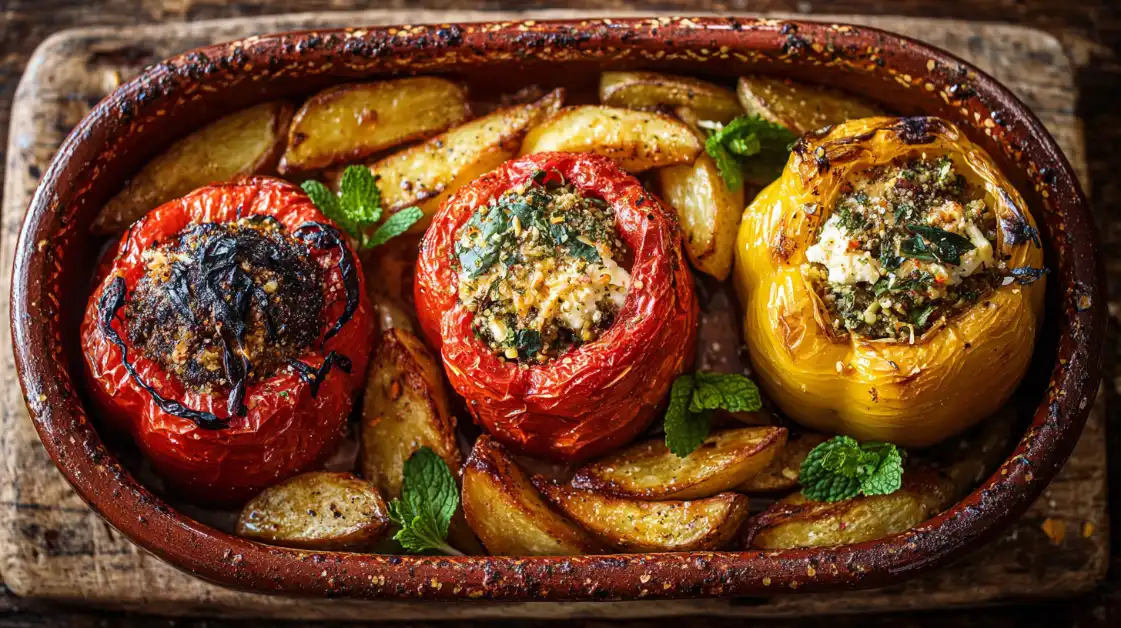
Here’s my confession: the first time I made Gemista (Greek Stuffed Peppers) was August 2019, and honestly? It was a disaster of truly epic proportions. My stuffed peppers collapsed into sad little vegetable puddles. The rice was somehow both crunchy AND mushy. My Greek neighbor Katerina took one look, crossed herself, and whispered something that definitely wasn’t a compliment. (She still mentions it at neighborhood barbecues. Thanks, Katerina.)
But after 31 attempts – yes, I kept count – I finally cracked the code on these Greek stuffed peppers and tomatoes. The secret isn’t complicated, but it took me embarrassingly long to figure out. Stick around, because I’m about to save you from making the same mistakes I did.
Table of Contents
Gemista Greek Stuffed Peppers: 7 Easy Secrets
- Total Time: 2 hours 15 minutes
- Yield: 8 stuffed vegetables
Description
Gemista is a beloved traditional Greek summer dish featuring ripe tomatoes and bell peppers stuffed with herbed rice, fresh mint, and parsley, baked alongside golden potato wedges until beautifully caramelized. This naturally vegan Mediterranean recipe tastes even better the next day and is perfect for entertaining.
Ingredients
For the Vegetables:
4 large ripe beefsteak tomatoes
4 large bell peppers (mix of red, yellow, orange)
3 medium potatoes, cut into wedges
1 teaspoon salt (for salting vegetables)
For the Rice Filling:
1 cup medium-grain rice (arborio or Carolina), unrinsed
1 large onion, finely diced and sautéed
3 cloves garlic, minced
Reserved tomato flesh, puréed (from hollowing)
1/3 cup extra virgin olive oil
1/4 cup fresh flat-leaf parsley, finely chopped
1/4 cup fresh mint, finely chopped
2 tablespoons fresh dill, finely chopped
1 teaspoon salt
1/2 teaspoon black pepper
For the Sauce:
1/2 cup reserved tomato purée
1/2 cup water
1/4 cup extra virgin olive oil
1 teaspoon dried oregano
Salt and pepper to taste
For Serving (Optional):
Crumbled feta cheese
Crusty bread
Fresh lemon wedges
Instructions
1. Prepare vegetables: Cut tops off tomatoes and peppers, reserving as lids. Hollow out tomatoes, saving flesh and juices. Remove pepper seeds and membranes. Make small slits in bottom of each vegetable. Salt insides lightly and invert to drain for 10 minutes.
2. Make the purée: Pulse reserved tomato flesh in food processor until smooth. Reserve half for filling, half for sauce.
3. Prepare filling: In large bowl, combine rice, sautéed onion, garlic, half the tomato purée, olive oil, herbs, salt, and pepper. Mix well – mixture should be quite wet.
4. Stuff vegetables: Fill each pepper and tomato 3/4 full (rice expands!). Place reserved lids on top.
5. Arrange in pan: Place stuffed vegetables snugly in baking dish. Tuck potato wedges between vegetables.
6. Add sauce: Mix remaining tomato purée, water, olive oil, oregano, salt, and pepper. Pour around (not over) vegetables.
7. Bake covered: Cover tightly with foil. Bake at 375°F (190°C) for 60 minutes.
8. Bake uncovered: Remove foil. Bake additional 30 minutes until vegetables are slightly charred and potatoes tender.
9. Rest and serve: Let rest at least 30 minutes. Serve warm or at room temperature with feta, bread, and lemon wedges.
Notes
Storage:
Room temperature for 4 hours, refrigerate up to 4 days in airtight container, freeze up to 3 months.
Make-Ahead:
Can be assembled 24 hours ahead and refrigerated. Add 15 minutes to baking time if starting cold.
Rice Substitution:
Use quinoa 1:1 (same method) or cauliflower rice (reduce bake time 15 minutes).
Meat Version:
Add 8oz browned ground beef or lamb to filling. Increase baking time by 15 minutes.
Vegan:
Recipe is naturally vegan. Skip the optional feta.
Gluten-Free:
Naturally gluten-free. Verify rice packaging is certified if needed.
Serving:
Best at room temperature (traditional Greek style) with feta, crusty bread, and Greek salad.
- Prep Time: 45 minutes
- Cook Time: 90 minutes
- Category: Mediterranean Dinner Recipes
- Method: Baking
- Cuisine: Greek/Mediterranean
Nutrition
- Serving Size: 2 stuffed vegetables
- Calories: 380 kcal
- Sugar: 12g
- Sodium: 520mg
- Fat: 16g
- Saturated Fat: 2.5g
- Unsaturated Fat: 12g
- Trans Fat: 0g
- Carbohydrates: 54g
- Fiber: 7g
- Protein: 8g
- Cholesterol: 0mg
Why Gemista Greek Stuffed Peppers Works (And Why Yours Probably Hasn’t)
The Science of Stuffed Vegetables
Here’s what most recipes don’t explain: gemista succeeds because of something food scientists call moisture exchange. The raw rice inside the vegetables needs to absorb liquid to cook properly. That liquid comes from three sources: the tomato flesh you add to the filling, the juices released by the vegetables themselves, and the sauce you pour around them. If any of these elements is off, your rice stays crunchy or your vegetables turn to mush. It’s basically thermodynamics, but delicious.
Harold McGee writes about this in On Food and Cooking – the starches in rice need sustained heat and moisture to gelatinize properly. The covered baking method creates a mini steam environment that’s absolutely crucial.
Perfect for Every Summer Gathering
Gemista belongs to the ladera category of Greek cooking – oil-based vegetarian dishes that are traditionally served at room temperature. Which means they’re perfect for summer entertaining. Make them in the morning, let them cool, and serve them whenever guests arrive. If you enjoy Mediterranean stuffed vegetables, you’ll love how stuffed eggplant uses similar techniques with a completely different flavor profile.
Essential Ingredients for Perfect Gemista
Ingredients List

For the Vegetables:
- 4 large ripe beefsteak tomatoes
- 4 large bell peppers (mix of red, yellow, orange)
- 3 medium potatoes, cut into wedges
- 1 teaspoon salt (for salting vegetables)
For the Rice Filling:
- 1 cup medium-grain rice (arborio or Carolina), unrinsed
- 1 large onion, finely diced and sautéed
- 3 cloves garlic, minced
- Reserved tomato flesh, puréed (from hollowing)
- 1/3 cup extra virgin olive oil
- 1/4 cup fresh flat-leaf parsley, finely chopped
- 1/4 cup fresh mint, finely chopped
- 2 tablespoons fresh dill, finely chopped
- 1 teaspoon salt
- 1/2 teaspoon black pepper
For the Sauce:
- 1/2 cup reserved tomato purée
- 1/2 cup water
- 1/4 cup extra virgin olive oil
- 1 teaspoon dried oregano
- Salt and pepper to taste
For Serving (Optional):
- Crumbled feta cheese
- Crusty bread
- Fresh lemon wedges
The Star Players
Bell Peppers: Red, yellow, or orange peppers are sweetest. Green peppers work but they’re slightly bitter – they’re just unripe, which is why they’re cheaper. I usually do a mix because (a) it looks prettier and (b) I like variety. Choose peppers that can stand upright – this matters more than you’d think.
Tomatoes: Big, ripe beefsteak tomatoes are ideal. You want them large enough to hollow out and firm enough to hold their shape during 90 minutes of baking. Those sad, mealy winter tomatoes? Save those for something else. Or better yet, don’t buy them at all.
Rice: This is where I went wrong for MONTHS. Greeks use a medium-grain rice called Carolina (not the American brand – it’s a variety). Arborio or Carnaroli work beautifully because they absorb liquid without turning to paste. If you’re exploring gluten-free Mediterranean recipes, gemista is naturally perfect – no modifications needed.
Rice Comparison for Gemista
| Rice Type | Texture | Absorption | Recommendation |
| Arborio (Medium) | Creamy, holds shape | Excellent | Best choice |
| Carolina Greek | Traditional, tender | Excellent | Authentic option |
| Basmati (Long) | Separate grains | Moderate | Works, less creamy |
| Jasmine (Long) | Fragrant, fluffy | Moderate | Acceptable |
| Parboiled | Firm, separate | Poor | AVOID – won’t absorb properly |
The Game-Changing Secret Ingredient
Fresh mint. Not dried, not spearmint gum (don’t laugh – I’ve seen people ask). Fresh mint transforms gemista from ‘good stuffed peppers’ to ‘wait, this is incredible.’ Combined with flat-leaf parsley and a bit of dill, it creates that unmistakable Greek flavor. My spinach and feta recipe uses a similar herb combination for exactly the same reason.
USA Substitutions: Can’t find Greek olive oil? California extra virgin is excellent. No fresh mint? Reduce dried mint to 1/3 the amount. Missing beefsteak tomatoes? Large Roma tomatoes work (use 2 per person).
The Foolproof Gemista Method
Preparation (Do This First – Trust Me)
Before anything else, find the right baking dish. This sounds boring but it’s critical. Place your whole, raw vegetables in the pan – they should fit snugly, almost touching. Why? Once you hollow them out, they’ll shrink and you’ll magically have room for one more. Nestle matters.
- Cut the tops off peppers and tomatoes. SAVE THE TOPS – they become little lids!
- Hollow out tomatoes with a spoon, saving ALL the flesh and juices in a bowl
- Remove pepper seeds and white membranes (the bitter part)
- Make tiny slits in the bottom of each vegetable – drainage prevents soggy bottoms
- Lightly salt the inside of each vegetable and flip upside down for 10 minutes to drain
Pro tip: The tomato flesh you scooped out? That’s liquid gold. Pulse it in a food processor until smooth – it becomes both part of your filling AND your sauce. Nothing wasted. If you’ve made lamb shakshuka, you know how important it is to use every bit of tomato.
Step-by-Step Cooking Method
Step 1: Make the Filling (15 minutes)
In a large bowl, combine: unrinsed rice (yes, the starch helps!), sautéed onion, minced garlic, about half the puréed tomato flesh, fresh herbs, 1/3 cup excellent olive oil, salt, and pepper. Mix well. The consistency should be wet and sloppy – not dry. That moisture is essential.
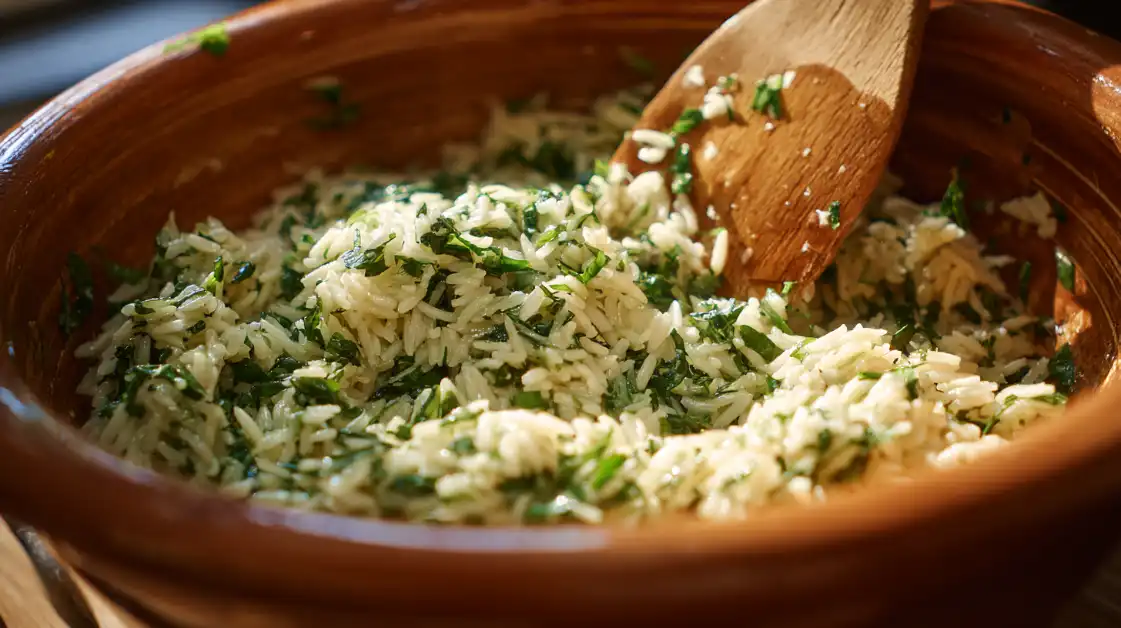
Step 2: Stuff the Vegetables (20 minutes)
Fill each pepper and tomato only 3/4 full. This is crucial. The rice expands as it cooks – overfill and you’ll have a volcanic mess. Place the little veggie lids on top. They look adorable and help steam the filling.
Step 3: Add the Sauce and Potatoes (10 minutes)
Tuck potato wedges between the vegetables – they’ll absorb all those gorgeous juices. Mix remaining tomato purée with 1/2 cup water, more olive oil, oregano, salt, and pepper. Pour around (not over) the vegetables. The sauce should come about 1/3 up the sides.
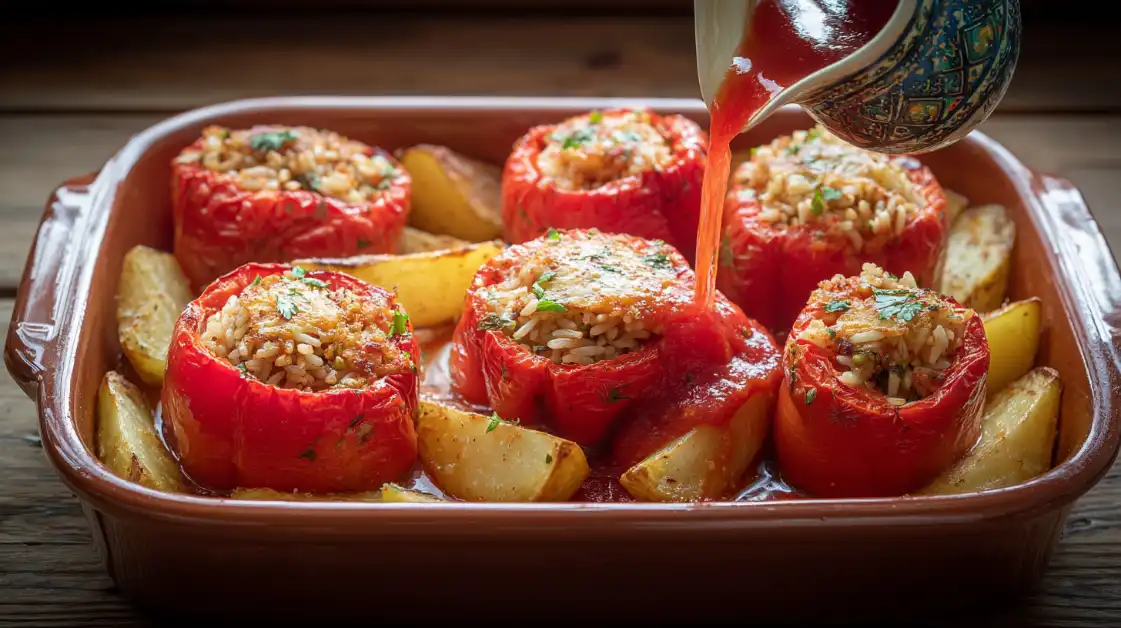
Step 4: The Critical Bake (1.5 hours)
Cover tightly with foil – this creates steam for cooking the rice. Bake at 375°F for 60 minutes covered, then 30 minutes uncovered until vegetables char slightly and potatoes are tender. Check out our Mediterranean breakfast bowl for another recipe that relies on proper baking technique.
Step 5: Rest and Serve (30+ minutes)
Here’s where patience pays off. Let gemista rest at least 30 minutes – flavors meld and the filling sets. Greeks serve these at room temperature, which I thought was weird until I tried it. Now I’m a convert.
Creative Gemista Variations
Regional and Dietary Variations
Vegetarian gemista (called gemista orfana or ‘orphan gemista’ – adorable, right?) is actually the original version. Meat was expensive historically, saved for special occasions. The meatless version isn’t a compromise; it’s tradition. For protein, try adding cooked lentils or chickpeas to the filling. Our crustless spinach and feta quiche makes an excellent side dish.
| Variation | What to Add/Change | When to Add | Notes |
| With Ground Beef/Lamb | 8oz ground meat, sautéed | To rice mixture | More filling, longer cook |
| Constantinople Style | Raisins + pine nuts | To rice mixture | Sweet-savory combination |
| Low-Carb/Keto | Replace rice with cauliflower rice | Same method | Reduce baking by 15 min |
| Summer Garden | Add zucchini + eggplant | Stuff alongside | Mix of vegetables |
| Cheesy Comfort | Feta crumbles in filling | Last 5 minutes | Add on top to melt |
Budget-Friendly Tips
Make gemista in late summer when tomatoes and peppers are practically free at farmers markets. Buy ‘ugly’ produce – cosmetic imperfections don’t affect flavor and often get you 50% off. Double the recipe and freeze half (yes, they freeze beautifully). Check our zucchini corn fritters for another budget-friendly summer vegetable recipe.
Storage & Serving Tips
Storage Techniques
Here’s a genuinely wonderful thing about gemista: they taste better the next day. Seriously. The flavors meld, the rice absorbs more of those gorgeous juices, and something almost magical happens. My Greek friends insist on making them the day before any gathering.
Refrigerator: Up to 4 days in an airtight container. Reheat gently in the oven (covered, 325°F for 20 minutes) or serve at room temperature – equally delicious both ways.
Freezer: Up to 3 months! Let cool completely, freeze individually on a baking sheet, then transfer to freezer bags. Thaw overnight in the fridge and reheat as above. Like our easy tiramisu, gemista is a perfect make-ahead dish for entertaining.
Serving Suggestions
| Pairing Category | Suggestions | Why It Works |
| Cheese | Crumbled feta (obviously), halloumi | Salty contrast to sweet veggies |
| Bread | Crusty bread, pita, horiatiko | Soak up the amazing sauce |
| Salad | Greek salad, maroulosalata | Fresh crunch, acidic balance |
| Protein (optional) | Grilled chicken, lamb kebabs | Makes it a fuller meal |
| Dips | Tzatziki, hummus | Cool and creamy complement |
For a complete Mediterranean meal, pair with limoncello tiramisu for dessert – the citrus brightness is perfect after the rich, herbaceous gemista.
Nutritional Benefits of Gemista
Macronutrient Profile
Quick disclaimer: I’m not a registered dietitian, and my relationship with nutrition is basically ‘I eat vegetables so I can justify dessert.’ But genuinely, gemista is one of the healthiest comfort foods out there. It’s part of the Mediterranean diet for a reason.
| Nutrient | Per Serving (1 stuffed pepper) | % Daily Value* |
| Calories | 285 kcal | 14% |
| Total Fat | 12g | 15% |
| Saturated Fat | 2g | 10% |
| Carbohydrates | 40g | 15% |
| Dietary Fiber | 5g | 18% |
| Protein | 6g | 12% |
| Sodium | 380mg | 17% |
Micronutrients & Health Benefits
| Micronutrient | Amount | Benefit |
| Vitamin C | 152mg (169% DV) | Immune support, skin health |
| Vitamin A | 3,600 IU (72% DV) | Eye health, immune function |
| Lycopene | 12mg | Powerful antioxidant (tomatoes) |
| Potassium | 680mg (14% DV) | Heart health, muscle function |
| Vitamin K | 18mcg (15% DV) | Bone health, blood clotting |
The olive oil in gemista provides heart-healthy monounsaturated fats and helps your body absorb fat-soluble vitamins from the vegetables. The rice provides steady energy with a moderate glycemic index (around 55-65). If you’re exploring other Mediterranean chicken bowl options, gemista offers similar nutritional benefits with a completely different flavor profile.
Frequently Asked Questions
What does gemista mean in Greek?
Gemista (pronounced yeh-MEES-tah) literally translates to ‘stuffed’ or ‘filled things’ in Greek. Also spelled ‘yemista.’ The dish specifically refers to vegetables – usually tomatoes and peppers – stuffed with herbed rice.
Why is my gemista rice still crunchy?
Three possible causes: not enough liquid (add more tomato purée next time), oven temperature too high (rice cooks best with gentle, sustained heat), or you didn’t cover the dish tightly (steam escapes, rice can’t absorb moisture). Always use foil for the first hour.
Can I make gemista without rice?
Absolutely! Use quinoa (same method), cauliflower rice (reduce baking time by 15 minutes), or cooked bulgur. For meat-based gemista, the rice is often replaced entirely with ground beef or lamb mixed with onions and herbs.
How do I stop my stuffed peppers from falling over?
Pack them snugly in a dish where they support each other. Alternatively, slice a thin piece off the pepper bottom to create a flat base (but don’t cut through to the inside!).
Are Greek stuffed peppers healthy?
Very! Gemista is naturally gluten-free, can be vegan (skip the feta), low in saturated fat, and packed with vegetables. One serving provides nearly double your daily vitamin C needs.
Can I freeze gemista?
Yes! Cool completely, freeze on a sheet pan, then transfer to freezer bags. They keep for 3 months. Thaw overnight in the refrigerator and reheat at 325°F covered until heated through.
Pairing & Serving Ideas
Complete Meal Combinations
| Occasion | Main | Sides | Beverage |
| Casual Summer Dinner | Gemista (2 per person) | Greek salad, crusty bread | Sparkling water with lemon |
| Mediterranean Feast | Gemista + grilled chicken | Tzatziki, olives, hummus | Fresh lemonade |
| Vegetarian Potluck | Gemista platter | Maroulosalata, pita | Mint iced tea |
| Meal Prep Sunday | Gemista batch (8-10) | Quinoa, mixed greens | Water with cucumber |
| Date Night In | Gemista for two | Feta, warm bread | Sparkling grape juice |
Beverage Pairings (Non-Alcoholic)
Greeks traditionally serve gemista with ice-cold water or fresh-squeezed lemonade. The acidity cuts through the richness of the olive oil beautifully. Mint tea (hot or iced) is another excellent choice – it echoes the fresh mint in the filling. For something special, try sparkling water with a splash of pomegranate juice. Our rigatoni carbonara pairs well with similar beverages if you’re planning a Mediterranean dinner party.
Avoid overly sweet drinks – they’ll clash with the tomatoes. And please, not soda. I know I sound like a snob but honestly, you’ve put effort into this dish. It deserves better than Mountain Dew. (Judge-free zone, mostly.)
Make Gemista Your Own
Embrace the Imperfection
Here’s what I’ve learned after all those failed attempts: Greek grandmothers don’t use measuring cups. They taste, they adjust, they trust their instincts. Every family’s gemista is slightly different, and that’s the point. Elena Paravantes, a nutritionist specializing in Greek cuisine, writes that ‘if your gemista look too pretty, they probably don’t taste good.’ That messy, caramelized, slightly-charred look? That’s success. Try our mezzi rigatoni recipe for another dish where imperfection equals perfection.
Share Your Version
I genuinely want to see your gemista attempts – the gorgeous ones AND the disasters. Tag us, comment below, tell me if you added something weird that surprisingly worked. (Someone once told me they added curry powder. I was skeptical. They were right.) Check out our spicy rigatoni for another recipe that welcomes experimentation.
Now go stuff some vegetables. Your future self – the one eating perfectly tender Greek stuffed peppers with a chunk of feta and maybe some crusty bread – will be extremely grateful.