Last summer, I made zucchini fritters for my sister. They came out perfect – golden, crispy, hot from the pan. She took one bite and said, “These need sauce.”
She was right. The fritters tasted fine but something was missing. So I started testing Dipping Sauces for Zucchini Fritters. Some were boring. Some were too much. After two months and way too much zucchini, I found seven sauces that actually work.
These aren’t complicated. You can make them while your fritters are cooking. Let me show you what I learned.
Table of Contents
Why Dipping Sauces for Zucchini Fritters Actually Matters
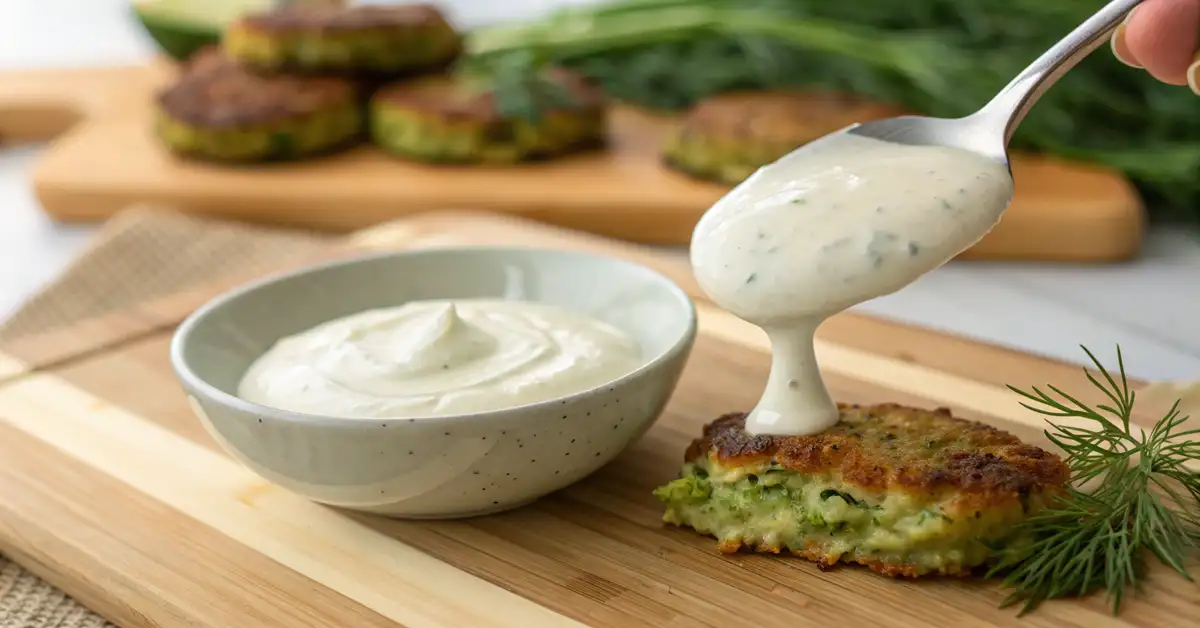
Zucchini is mild. Really mild. When you fry it, you get crispy outside and soft inside, but the flavor stays gentle. A good sauce wakes everything up without taking over.
I tried everything – ranch from a bottle, plain sour cream, even ketchup once. Most were just okay. Then I remembered my grandmother always served fried vegetables with yogurt sauce. That’s when things got interesting.
Yogurt-based sauces work because they’re tangy and creamy but not heavy. Plus, people in Greece and Turkey have been doing this forever. They figured it out already.
The best sauces have three things going on: they’re tangy (cuts through the fried richness), creamy (nice texture contrast), and have fresh herbs or garlic (adds brightness). That’s the formula that works.
| Element | Why It Works |
| Tangy | Cuts through fried richness |
| Creamy | Nice texture contrast |
| Fresh herbs or garlic | Adds brightness |
| Not too heavy | Won’t weigh you down |
| Room temperature | Feels better than cold |
1. Greek Yogurt and Dill Sauce (The Everyday One)
This is the one I make most. It’s super simple and everyone likes it. Even picky eaters go back for seconds with this one.
Ingredients:
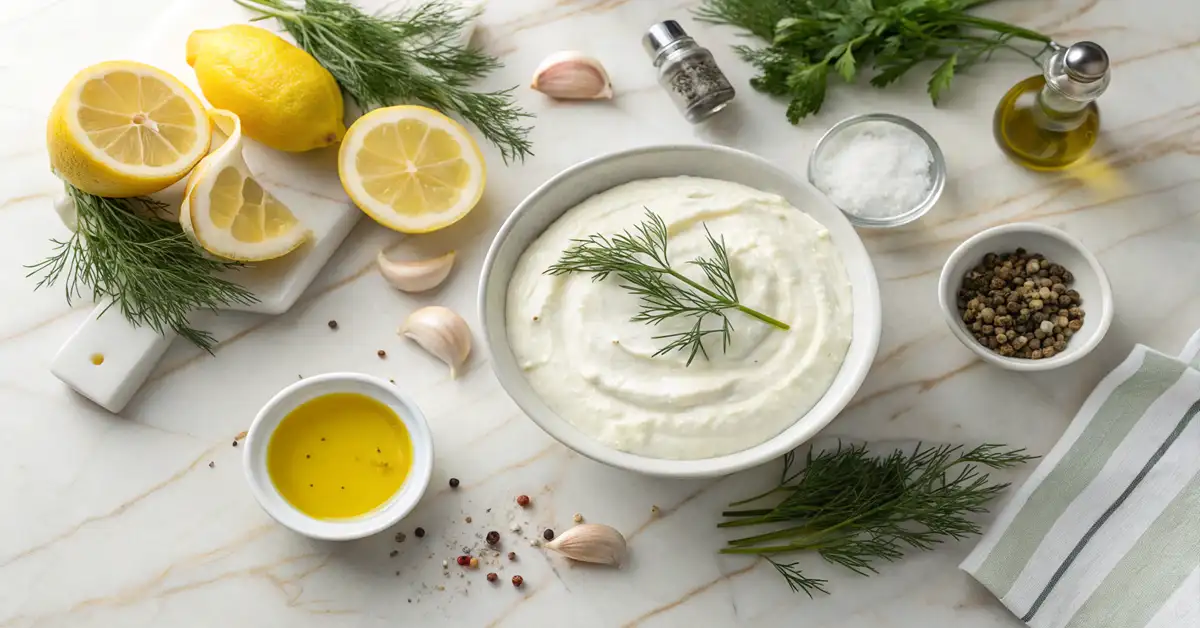
- 1 cup thick Greek yogurt (get the full-fat kind)
- 3 tablespoons fresh dill, chopped fine
- 2 garlic cloves, minced really small
- 1 tablespoon fresh lemon juice
- 1 teaspoon lemon zest
- 2 tablespoons extra-virgin olive oil
- ½ teaspoon sea salt
- ¼ teaspoon black pepper
How to Make It:
Step 1: Take your yogurt out of the fridge 20 minutes before you start. Room temperature yogurt mixes better.
Step 2: Put the yogurt in a medium bowl. Add the olive oil and whisk until it’s smooth and silky. This takes maybe 30 seconds.
Step 3: Add your minced garlic to the bowl. Now just let it sit there for 2-3 minutes. Don’t skip this. The yogurt calms down the raw garlic bite.
Step 4: While you’re waiting, chop your dill. Use just the feathery green parts, not the thick stems. Chop it pretty fine.
Step 5: Add the dill, lemon juice, and lemon zest to your bowl. Stir everything together.
Step 6: Add salt and pepper. Taste it. Add more if you need to.
Step 7: Cover it and put it in the fridge for at least 30 minutes. This is when the magic happens. The dill flavor spreads through the yogurt.
My Tips: If your sauce is too thick (like, a spoon stands up in it), add a tablespoon of water or milk. You want it creamy and pourable, not gloppy. This keeps for five days in the fridge and honestly tastes better on day two.
Nutrition Information (per 2 tablespoon serving):
| Nutrient | Amount |
| Calories | 35 |
| Total Fat | 2g |
| Saturated Fat | 0.5g |
| Cholesterol | 3mg |
| Sodium | 95mg |
| Total Carbohydrates | 2g |
| Dietary Fiber | 0g |
| Sugars | 2g |
| Protein | 2g |
| Vitamin A | 2% DV |
| Vitamin C | 4% DV |
| Calcium | 4% DV |
| Iron | 1% DV |
2. Lemon Herb Aioli (The Impressive One)
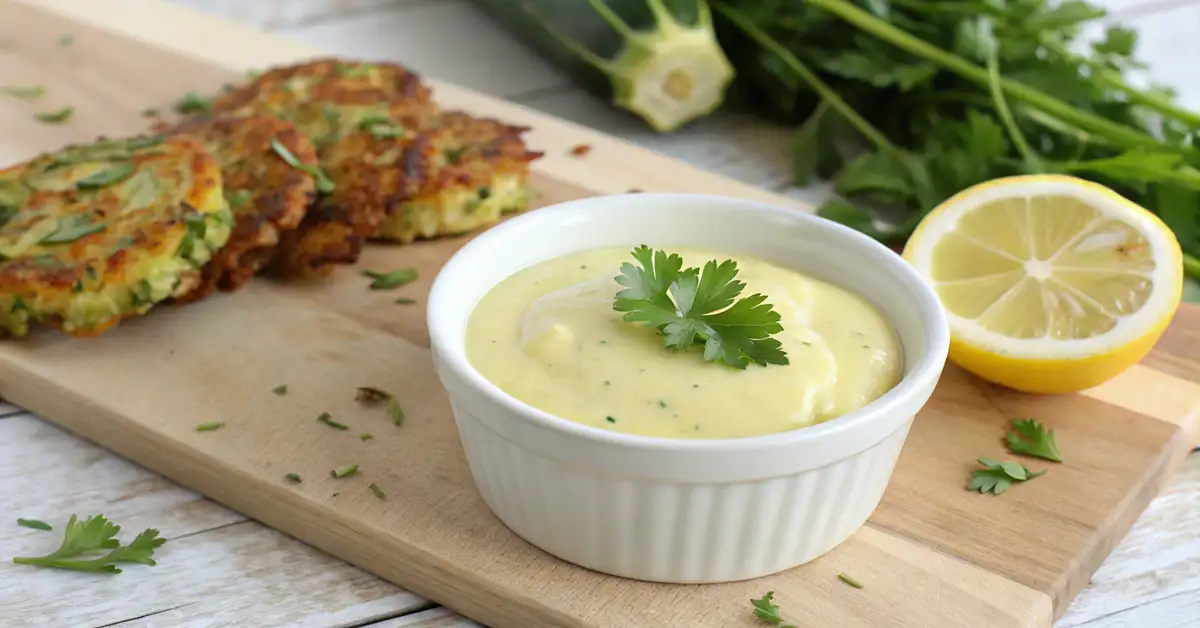
This sounds fancy but it’s basically flavored mayo. Really good flavored mayo. When I served this at a dinner party, three people asked for the recipe before we even finished eating.
Ingredients:
- ¾ cup good mayonnaise (don’t cheap out here)
- 3 tablespoons fresh lemon juice
- 2 teaspoons lemon zest
- 3 garlic cloves, minced super fine
- 2 tablespoons fresh parsley, minced
- 1 tablespoon fresh basil, minced
- 1 teaspoon Dijon mustard
- ¼ teaspoon cayenne pepper (optional but good)
- Salt to taste
How to Make It:
Step 1: Put your mayo in a bowl. Add the Dijon mustard. Whisk them together until smooth.
Step 2: Add your minced garlic to the mayo mixture. Set a timer for 5 minutes and just leave it. Make a cup of tea or something. The garlic needs time to mellow in the fat.
Step 3: While you wait, chop your herbs. Parsley and basil, both chopped fine.
Step 4: After 5 minutes, add the lemon juice and zest. Stir it in.
Step 5: Add your chopped herbs. Stir everything together.
Step 6: Add the cayenne if you’re using it. Add salt – taste as you go.
Step 7: If it’s really thick, add water one teaspoon at a time until you can drizzle it.
Step 8: Cover and refrigerate for at least an hour. Seriously, don’t skip this. The flavors need time to blend.
My Tips: I once made this half mayo, half Greek yogurt when I was trying to be healthy. You lose some richness but it’s still really good and tangier. Works great if you want something lighter.
Nutrition Information (per 2 tablespoon serving):
| Nutrient | Amount |
| Calories | 90 |
| Total Fat | 10g |
| Saturated Fat | 1.5g |
| Cholesterol | 5mg |
| Sodium | 85mg |
| Total Carbohydrates | 1g |
| Dietary Fiber | 0g |
| Sugars | 0g |
| Protein | 0g |
| Vitamin A | 3% DV |
| Vitamin C | 8% DV |
| Calcium | 1% DV |
| Iron | 2% DV |
3. Feta and Yogurt Sauce (The Bold One)
This one has real personality. The salty feta with tangy yogurt creates something bold enough to stand up to well-seasoned fritters. My zucchini corn fritters practically demand this sauce.

Ingredients:
- ½ cup Greek yogurt
- ½ cup crumbled feta cheese
- 2 tablespoons extra-virgin olive oil
- 1 tablespoon fresh lemon juice
- 2 tablespoons fresh mint, chopped
- 1 tablespoon fresh oregano, chopped
- 1 garlic clove, minced
- Black pepper to taste
How to Make It:
Step 1: Get out your food processor. Put in the feta, yogurt, and olive oil.
Step 2: Pulse it maybe 10-15 times until it’s mostly smooth but still a bit chunky. You want some texture from the feta. Don’t blend it into baby food.
Step 3: Scrape it out into a bowl.
Step 4: Chop your mint and oregano. Add them to the bowl by hand – don’t put them in the processor or they’ll get bruised and bitter.
Step 5: Add the minced garlic and lemon juice. Stir everything together.
Step 6: Add black pepper. Taste it first before adding salt – feta is already pretty salty. You probably won’t need any.
Step 7: If it looks too thick, stir in a tablespoon of water.
My Tips: Use feta that comes in brine, not the pre-crumbled stuff in bags. The pre-crumbled kind is dry and doesn’t taste as good. Same principle as choosing good cheese for feta pesto – quality matters. This thickens in the fridge, so add water if needed when you pull it out.
Nutrition Information (per 2 tablespoon serving):
| Nutrient | Amount |
| Calories | 45 |
| Total Fat | 3g |
| Saturated Fat | 1.5g |
| Cholesterol | 8mg |
| Sodium | 125mg |
| Total Carbohydrates | 2g |
| Dietary Fiber | 0g |
| Sugars | 2g |
| Protein | 3g |
| Vitamin A | 3% DV |
| Vitamin C | 2% DV |
| Calcium | 8% DV |
| Iron | 1% DV |
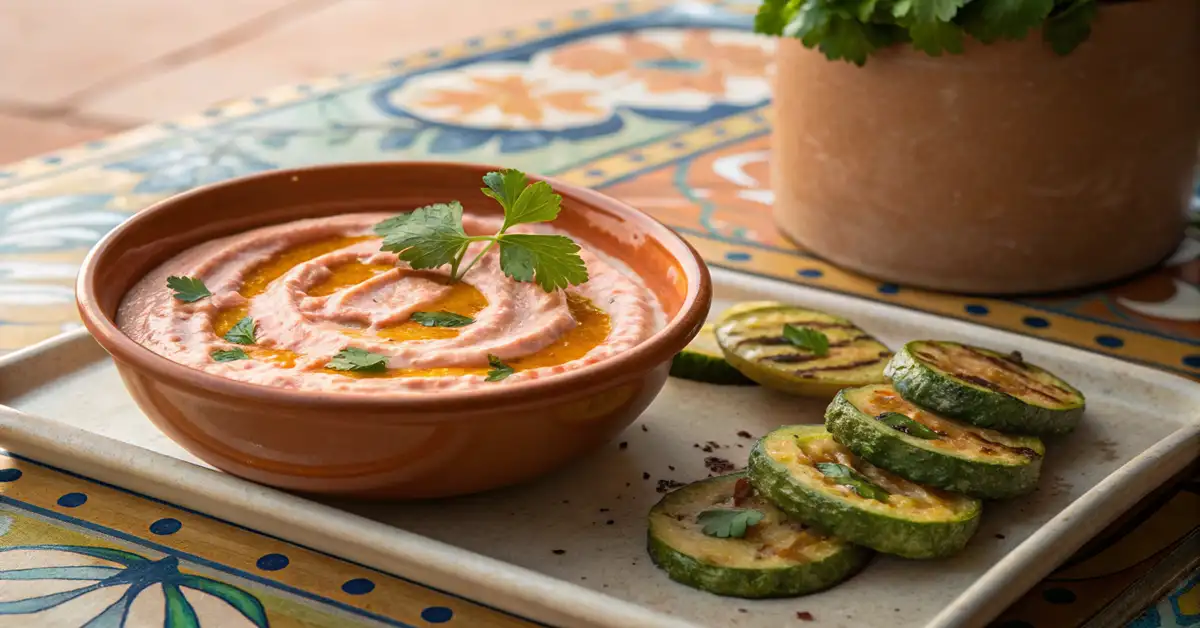
4. Harissa Yogurt (The Spicy One)
This is for when you want some heat. Harissa is a North African chili paste that’s smoky and complex, not just straight-up spicy.
Ingredients:
- 1 cup Greek yogurt
- 2-3 tablespoons harissa paste
- 1 tablespoon fresh lemon juice
- 1 tablespoon olive oil
- 1 teaspoon honey
- ¼ teaspoon cumin
- Salt to taste
- Fresh cilantro for garnish
How to Make It:
Step 1: Put your yogurt in a bowl.
Step 2: Start with 2 tablespoons of harissa. Different brands are crazy different in heat level. You can always add more but you can’t take it away.
Step 3: Add the olive oil. Stir everything together until the color is even and pretty.
Step 4: Add the lemon juice, honey, and cumin. The honey sounds weird but it balances the heat perfectly.
Step 5: Stir it all up. Taste it. If you want more heat, add another tablespoon of harissa. If it’s too spicy, add more yogurt.
Step 6: Add a pinch of salt if it needs it.
Step 7: Let it sit for 15 minutes before serving. This lets the spices wake up.
Step 8: Right before serving, chop some fresh cilantro and sprinkle it on top.
My Tips: Can’t find harissa? Mix 2 tablespoons tomato paste with 1 teaspoon smoked paprika, ½ teaspoon cayenne, and ½ teaspoon cumin. It’s not real harissa but it’s still tasty. This sauce mellows over time in the fridge – the heat gets less intense after a day or two.
Nutrition Information (per 2 tablespoon serving):
| Nutrient | Amount |
| Calories | 30 |
| Total Fat | 1g |
| Saturated Fat | 0g |
| Cholesterol | 2mg |
| Sodium | 75mg |
| Total Carbohydrates | 3g |
| Dietary Fiber | 0g |
| Sugars | 3g |
| Protein | 2g |
| Vitamin A | 4% DV |
| Vitamin C | 3% DV |
| Calcium | 4% DV |
| Iron | 2% DV |
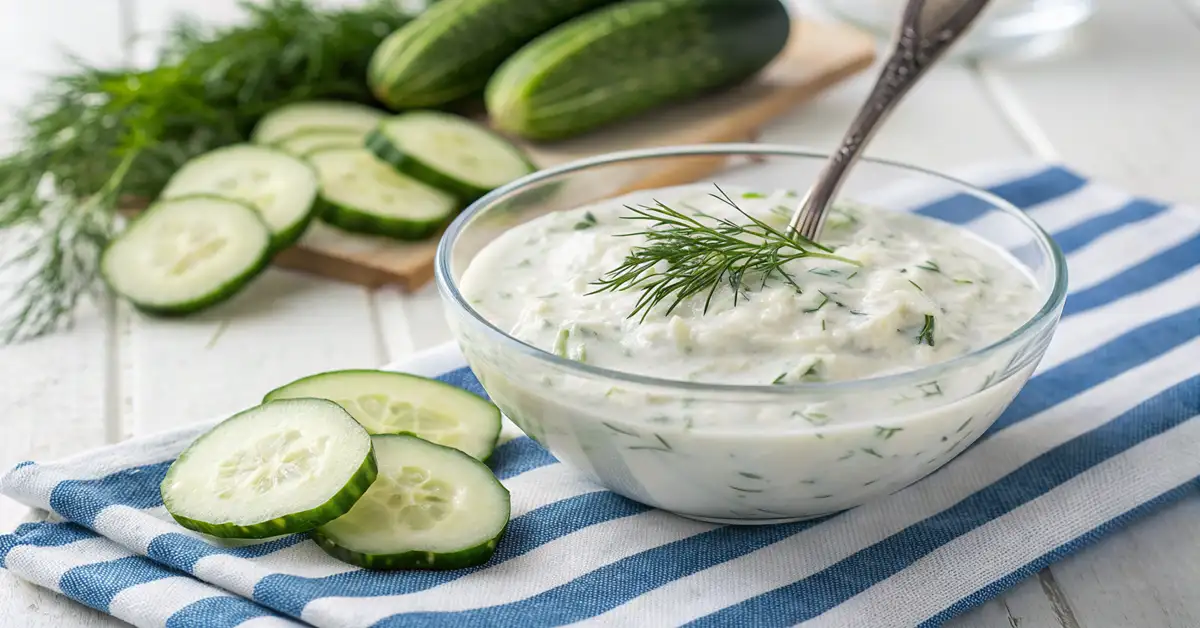
5. Tzatziki (The Classic One)
You can’t skip tzatziki. This is what I grew up eating with everything. My grandmother made it every week and watching her taught me more than any cookbook.
Ingredients:
- 1 cup Greek yogurt
- 1 medium cucumber
- 3 garlic cloves, minced
- 2 tablespoons fresh dill, chopped
- 1 tablespoon lemon juice
- 2 tablespoons extra-virgin olive oil
- ½ teaspoon salt
- Black pepper to taste
How to Make It:
Step 1: Peel your cucumber. Cut it in half the long way.
Step 2: Take a spoon and scoop out all the seeds. They’re watery and will ruin your sauce.
Step 3: Grate the cucumber on the big holes of a box grater. You’ll end up with shredded cucumber.
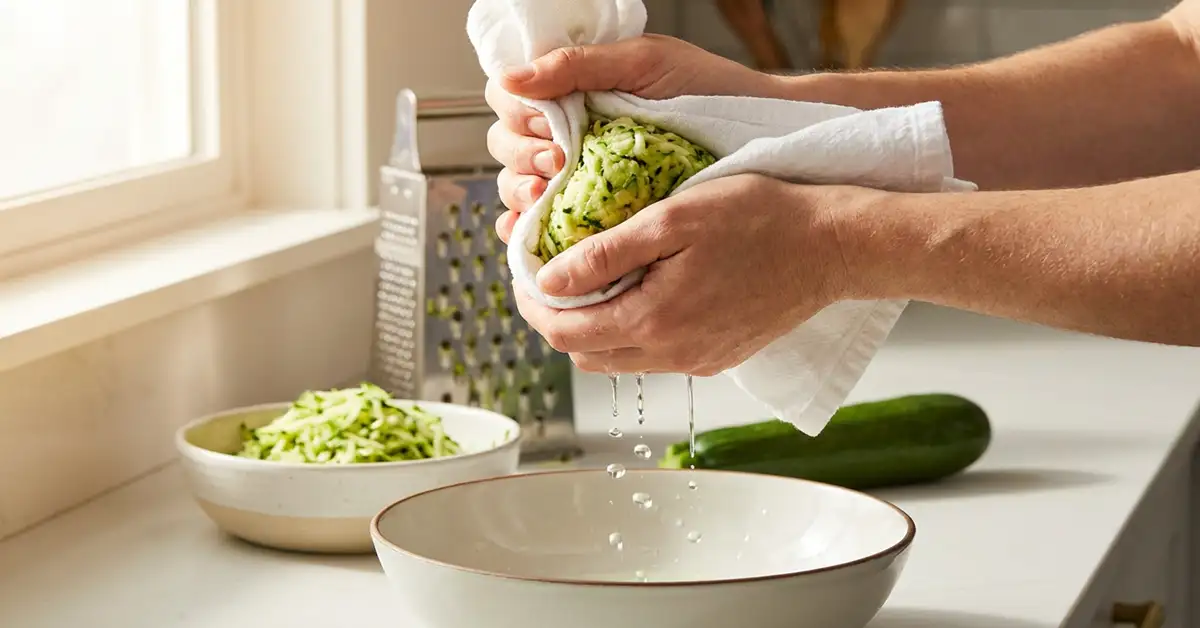
Step 4: This is the most important step. Put the grated cucumber in a clean kitchen towel. Hold it over the sink and squeeze it hard. I mean really squeeze it. You should get at least 2-3 tablespoons of water out. Keep squeezing until nothing more comes out. This step is not optional.
Step 5: Put your yogurt in a bowl. Add the squeezed cucumber.
Step 6: Add the minced garlic, chopped dill, lemon juice, and olive oil.
Step 7: Stir everything together. Add salt and pepper.
Step 8: Cover it and let it sit in the fridge for at least 30 minutes. Two hours is even better.
My Tips: My grandmother always made this the day before she needed it. The garlic mellows overnight and the whole thing just tastes better. She was right about this like she was right about most things. Keeps for 3-4 days but might release some liquid – just stir it before serving.
Nutrition Information (per 2 tablespoon serving):
| Nutrient | Amount |
| Calories | 25 |
| Total Fat | 1.5g |
| Saturated Fat | 0g |
| Cholesterol | 2mg |
| Sodium | 90mg |
| Total Carbohydrates | 2g |
| Dietary Fiber | 0g |
| Sugars | 2g |
| Protein | 2g |
| Vitamin A | 2% DV |
| Vitamin C | 3% DV |
| Calcium | 4% DV |
| Iron | 1% DV |
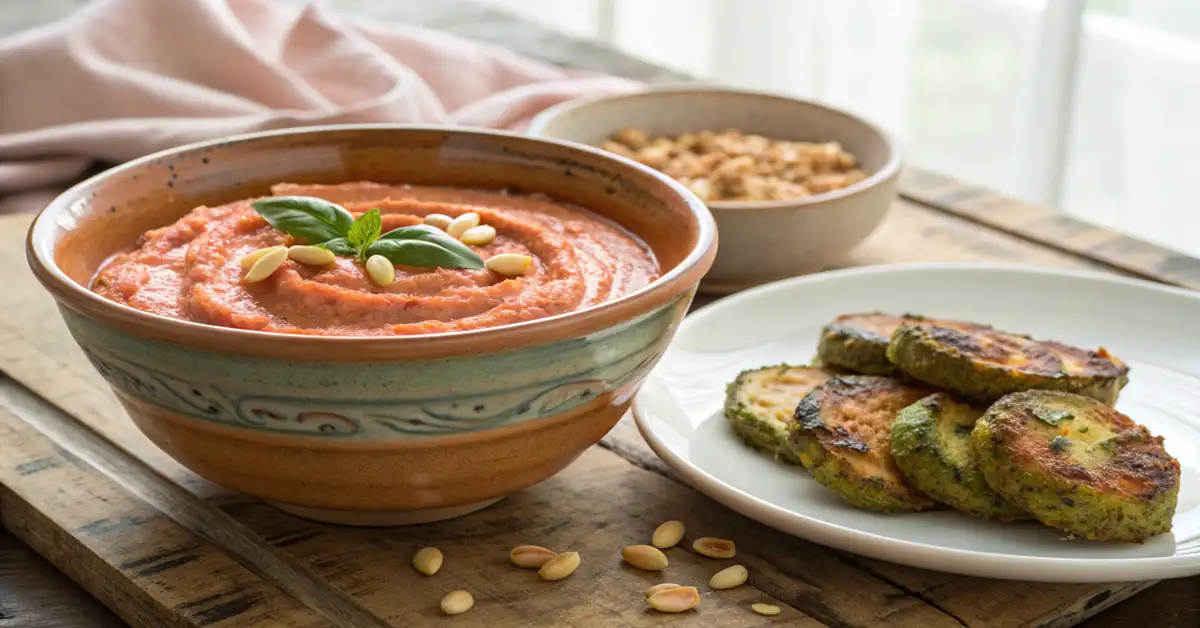
6. Sun-Dried Tomato and Basil Cream (The Fancy One)
I thought this would be too rich but it’s not. The sun-dried tomatoes are acidic enough to balance everything. It tastes like summer in a bowl.
Ingredients:
- ½ cup sun-dried tomatoes (the ones packed in oil), drained
- ½ cup sour cream or Greek yogurt
- ¼ cup fresh basil leaves
- 2 tablespoons mayonnaise
- 1 garlic clove
- 1 tablespoon lemon juice
- 2 tablespoons olive oil
- Salt and pepper to taste
How to Make It:
Step 1: Drain your sun-dried tomatoes. Pat them with a paper towel to get off extra oil.
Step 2: Put the tomatoes, basil, and garlic in your food processor. Pulse until they’re chopped fine.
Step 3: Add the sour cream (or yogurt), mayonnaise, and olive oil.
Step 4: Blend it until it’s smooth and creamy. Scrape down the sides if you need to.
Step 5: Add the lemon juice. Pulse a few times to mix it in.
Step 6: Taste it. Add salt and pepper. If your tomatoes were really salty, you might not need much salt.
Step 7: If it’s super thick, add water one tablespoon at a time.
Step 8: Scrape it into a bowl. Let it sit for 30 minutes before serving.
My Tips: Some sun-dried tomatoes are crazy salty. If yours are, rinse them quickly under water before using them. I made one batch so salty once that nobody could eat it. This keeps for five days in the fridge. The color will get darker as the basil oxidizes but it still tastes good.
Nutrition Information (per 2 tablespoon serving):
| Nutrient | Amount |
| Calories | 55 |
| Total Fat | 5g |
| Saturated Fat | 1g |
| Cholesterol | 3mg |
| Sodium | 110mg |
| Total Carbohydrates | 2g |
| Dietary Fiber | 0g |
| Sugars | 1g |
| Protein | 1g |
| Vitamin A | 5% DV |
| Vitamin C | 6% DV |
| Calcium | 2% DV |
| Iron | 3% DV |
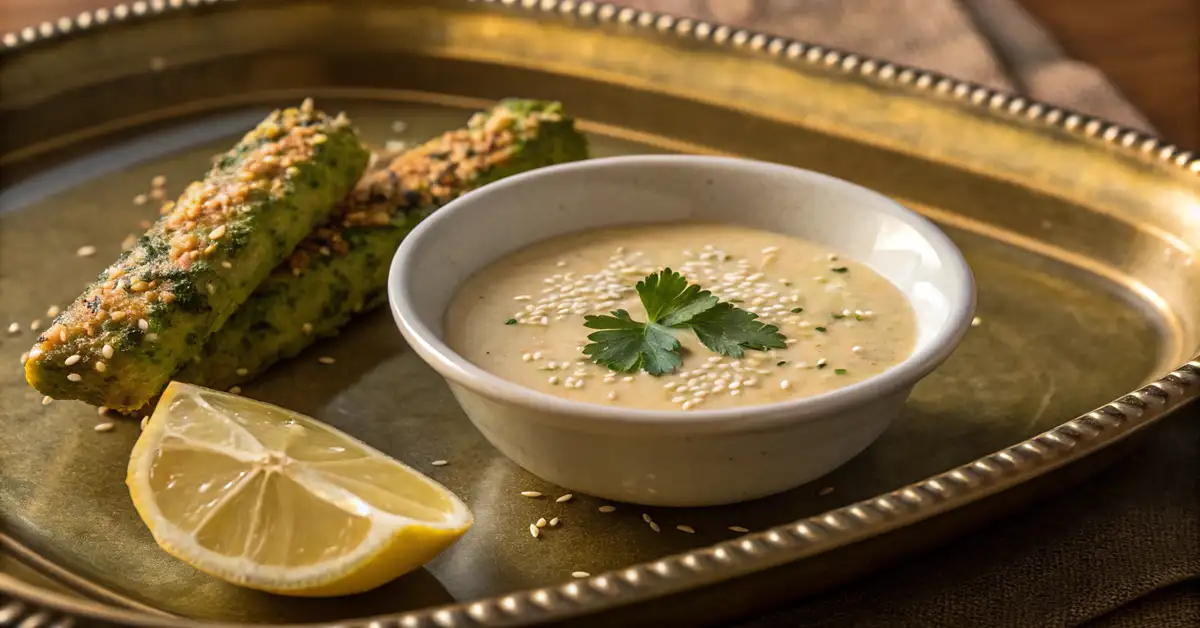
7. Lemon-Garlic Tahini (The Dairy-Free One)
This is for tahini lovers. It’s nutty and tangy and has no dairy at all, which makes it perfect for anyone avoiding lactose.
Ingredients:
- ⅓ cup tahini (stir it really well first)
- ¼ cup fresh lemon juice
- 3 garlic cloves, minced
- ¼ cup water (maybe more)
- 2 tablespoons fresh parsley, chopped
- ½ teaspoon cumin
- ¼ teaspoon salt
- Tiny pinch of cayenne
How to Make It:
Step 1: Open your tahini jar and stir it really well. The oil separates and sits on top, so you need to mix it back in.
Step 2: Put the tahini in a bowl. Add the lemon juice.
Step 3: Start whisking. It’s going to get thick and paste-like and weird-looking. This is totally normal. Just keep whisking.
Step 4: Start adding water slowly while you whisk. Like a tablespoon at a time. Keep whisking.
Step 5: Magic happens. The sauce will suddenly become smooth and creamy. Keep adding water until it’s about as thick as heavy cream – thick but you can pour it.
Step 6: Stir in the minced garlic, chopped parsley, cumin, salt, and cayenne.
Step 7: Taste it. Add more lemon if it’s too mild, or more water if it’s too thick.
Step 8: Let it sit for 15 minutes before serving.
My Tips: Use good tahini. Cheap tahini tastes bitter and grainy. The sauce is only as good as your tahini, so spend a few extra dollars. This gets really thick in the fridge – like cement. Just whisk in more water before serving. Keeps for a week.
Nutrition Information (per 2 tablespoon serving):
| Nutrient | Amount |
| Calories | 60 |
| Total Fat | 5g |
| Saturated Fat | 0.5g |
| Cholesterol | 0mg |
| Sodium | 75mg |
| Total Carbohydrates | 3g |
| Dietary Fiber | 1g |
| Sugars | 0g |
| Protein | 2g |
| Vitamin A | 2% DV |
| Vitamin C | 5% DV |
| Calcium | 2% DV |
| Iron | 4% DV |
The Perfect Fritters to Go With These Sauces
Okay, so you’ve got amazing sauces. But you need good fritters too. The secret is getting all the water out of the zucchini.
Grate your zucchini, sprinkle it with salt, and let it sit for 10 minutes. Then squeeze it in a towel like your life depends on it. Get every drop out. Wet zucchini makes soggy fritters, and soggy fritters are sad even with great sauce.
If you want a solid recipe, try my classic zucchini fritters. They’re simple and they work every time. Or if you want something a bit different, myzucchini corn fritters add sweetness that pairs beautifully with tangy sauces.
| Sauce | Best For |
| Greek Yogurt Dill | Everyday favorite, universally loved |
| Lemon Herb Aioli | Rich and impressive for parties |
| Feta Yogurt | Bold and salty, stands up to cheese |
| Harissa Yogurt | Spicy with smoky complexity |
| Tzatziki | Classic Greek, cooling and fresh |
| Sun-Dried Tomato | Rich and umami-packed |
| Lemon-Garlic Tahini | Nutty, dairy-free option |
How to Serve These at Dinner

Put your warm fritters on a big platter. Arrange three or four small bowls of different sauces around them. This looks impressive and lets people try different combinations.
I usually do one yogurt sauce (Greek yogurt dill or tzatziki), one richer sauce (lemon aioli or feta yogurt), and one with heat (harissa). That gives everyone options without overwhelming them.
Serve the sauces at room temperature, not cold from the fridge. Cold sauce on hot fritters feels weird in your mouth. Pull them out 30 minutes before people show up.
Sprinkle fresh herbs on top of the sauces right before serving. Takes ten seconds and makes everything look like you tried way harder than you did.
Make-Ahead Strategy
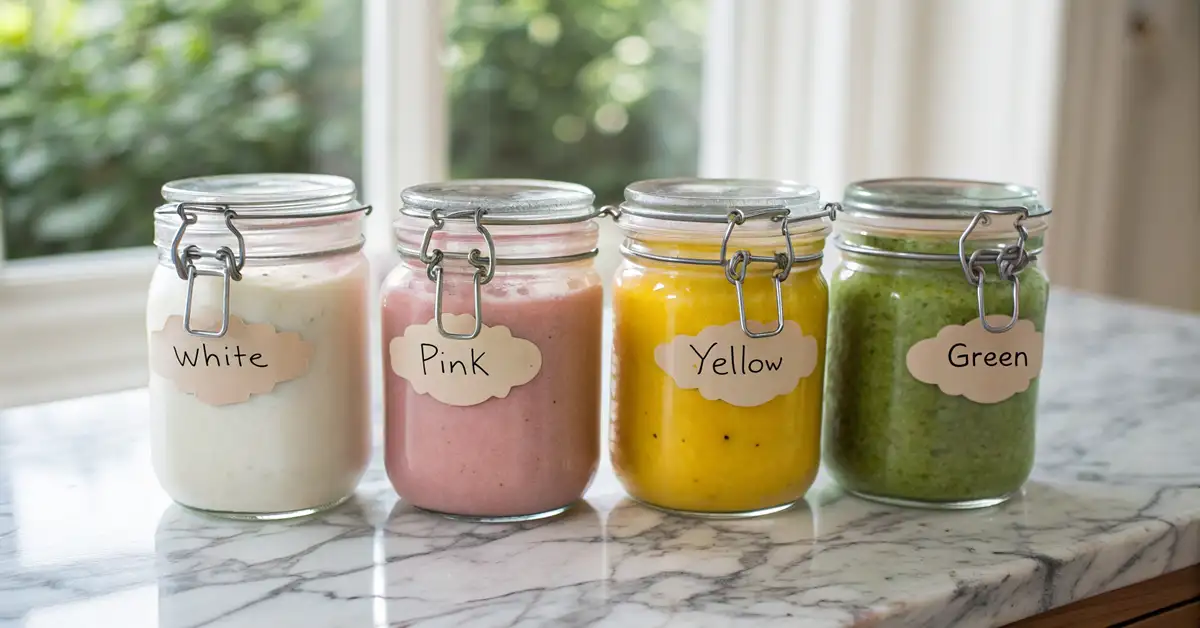
Most of these taste better made ahead, which is great because who wants to make sauce when people are already at your house?
Greek yogurt dill, tzatziki, and tahini all improve with 24 hours in the fridge. The garlic mellows out and the herbs infuse into everything. I make these on Sunday afternoon if I’m serving them Monday night.
Lemon aioli and sun-dried tomato cream are best made the morning you’re serving them. They’re still fine after a day or two but the herbs lose their bright green color. Still tastes good, just looks duller.
Everything keeps three to seven days in the fridge. Yogurt-based ones last longest because yogurt is already kind of preserved. Don’t freeze yogurt sauces – they separate and get gross. But sun-dried tomato cream freezes great for up to a month.
| Sauce | Storage & Tips |
| Greek Yogurt Dill | 5 days fridge, no freezing, best after 1 day |
| Lemon Herb Aioli | 7 days fridge, no freezing, make day-of |
| Feta Yogurt | 4-5 days fridge, no freezing, best after 1 day |
| Harissa Yogurt | 7 days fridge, no freezing, mellows over time |
| Tzatziki | 3-4 days fridge, no freezing, best after 1 day |
| Sun-Dried Tomato | 5 days fridge, YES freezes (1 month), make day-of |
| Lemon-Garlic Tahini | 7 days fridge, no freezing, best after 1 day |
Which Sauce for Which Fritter
Not every sauce works with every fritter. Here’s what I’ve learned from way too much testing.
Plain zucchini fritters have delicate flavor. Use Greek yogurt dill, tzatziki, or lemon aioli. These are gentle enough not to bulldoze the zucchini. My classic zucchini fritters work perfectly with any of these three.
If your fritters have cheese mixed in (parmesan or feta), you need bolder sauces. Use feta yogurt or sun-dried tomato cream. They can stand up to the cheese without disappearing.
Spiced fritters with cumin or coriander work with harissa yogurt or tahini. You’re building layers of similar flavors instead of fighting between different cuisines.
My zucchini corn fritters have natural sweetness from the corn. Balance that with tangy sauces like Greek yogurt dill or tzatziki. Harissa yogurt also makes this cool sweet-heat combination that’s better than it sounds.
| Fritter Type | Best Sauce Matches |
| Plain Zucchini Fritters | Greek Yogurt Dill, Tzatziki, Lemon Aioli |
| Cheesy Fritters | Feta Yogurt, Sun-Dried Tomato, Harissa |
| Spiced Fritters | Harissa Yogurt, Tahini, Feta Yogurt |
| Corn-Zucchini Fritters | Greek Yogurt Dill, Tzatziki, Harissa |
| Herb-Heavy Fritters | Lemon Aioli, Tahini, Sun-Dried Tomato |
Common Questions People Ask Me
Can I use regular yogurt instead of Greek yogurt?
Yes but you need to drain it first. Line a strainer with cheesecloth or a coffee filter, dump in your yogurt, and let it drip in the fridge for 2-3 hours. You’ll lose about half but end up with the thick stuff you need.
How do I prevent my yogurt sauces from being watery?
Start with thick full-fat Greek yogurt. For tzatziki, squeeze that cucumber until your hands hurt. If your sauce still turns out thin, stir in a tablespoon of mayo or drain it through cheesecloth for 30 minutes.
Can I make these sauces dairy-free?
Yes. Use coconut yogurt (the thick kind) or cashew cream instead of regular yogurt. The tahini sauce is already dairy-free. Use vegan mayo for the aioli. Flavors are a bit different but still good.
What if I don’t have fresh herbs?
Dried herbs work but use less – one tablespoon fresh equals one teaspoon dried. Add dried herbs to your sauce early and let it sit for an hour so they wake up. Fresh herbs do taste better though.
Can I reduce the garlic in these recipes?
Absolutely. I love garlic so my recipes have a lot. Use one clove or skip it if you want. Or use roasted garlic which is way mellower and sweeter than raw.
How spicy is the harissa yogurt really?
Depends on your harissa brand. Some are mild, some are volcanic. Start with two tablespoons, taste it, then add more if you want. You can always make it spicier but you can’t undo spicy.
What’s the best way to thin out thick sauces?
Water works, but it can dilute flavor. I prefer using lemon juice, which adds brightness while thinning. For yogurt sauces, milk or olive oil work well. Add liquid gradually—one teaspoon at a time—until you reach the consistency you want.
Sauce Prep & Rest Times
| Greek Yogurt Dill – 5 min prep, 30 min rest |
| Lemon Herb Aioli – 10 min prep, 1 hour rest |
| Feta Yogurt – 10 min prep, 15 min rest |
| Harissa Yogurt – 5 min prep, 15 min rest |
| Tzatziki – 15 min prep, 30 min rest (best 2 hours) |
| Sun-Dried Tomato – 10 min prep, 30 min rest |
| Lemon-Garlic Tahini – 5 min prep, 15 min rest |
Tips for Creating Your Own Signature Sauce
Once you’ve mastered these seven sauces, you might want to create your own. Here’s my formula for success.
Start with a Base
Pick one: Greek yogurt, sour cream, mayonnaise, tahini, or a combination. This determines your sauce’s texture and richness.
Add Acidity
You need brightness. Use lemon juice, lime juice, white wine vinegar, or apple cider vinegar. Start with 1 tablespoon per cup of base.
Choose Your Flavor Profile
Fresh herbs (Mediterranean), spices (Middle Eastern), roasted vegetables (Italian), or chilis (North African). Pick a direction and commit to it.
Include Aromatics
Garlic is classic, but try shallots, green onions, or ginger. These add depth and complexity.
Balance with Fat
A drizzle of olive oil or a spoonful of mayo smooths everything out and helps flavors meld.
Season Properly
Salt is crucial. Most homemade sauces need more salt than you think. Add it gradually and taste as you go.
The Perfect Zucchini Fritters for Your Sauces
While this article focuses on dipping sauces, you need great fritters to go with them. The key to perfect fritters is removing moisture from the zucchini. Shred them, salt them, and squeeze out every drop of liquid you can. This creates crispy exteriors that won’t get soggy when dipped in sauce.
For the best fritters to pair with these sauces, I recommend trying my classic zucchini fritters recipe. They’re simple, foolproof, and the perfect canvas for all seven of these sauces.
Beyond Fritters: Other Uses for These Sauces
These aren’t just for fritters. I make them on Sunday and eat them all week on different stuff.
Greek yogurt dill and tzatziki go on grilled vegetables, work as salad dressing if you thin them with water, and make good marinades for chicken. They’re also perfect with my Mediterranean breakfast bowls for a protein boost.
Lemon aioli goes on sandwiches, in wraps, and I’ve even mixed it into potato salad instead of plain mayo.
Harissa yogurt is perfect on grain bowls or roasted sweet potatoes. My kids actually eat more raw carrots and cucumbers when there’s harissa yogurt around to dip them in. It also works great drizzled over my zucchini fritters when you want extra heat.
Feta yogurt works as pasta sauce if you thin it with pasta water. Just toss hot noodles in it and add some cherry tomatoes. Similar to how you’d use feta pesto but creamier.
Sun-dried tomato cream is amazing spread on grilled bread, used as pizza sauce, or stirred into warm pasta.
Tahini sauce is my go-to for falafel, roasted cauliflower, and those Mediterranean breakfast bowls I make.
Make double batches. Keep them in your fridge. You’ll use them.
| Other Ways to Use These Sauces |
| On Vegetables – grilled, roasted, or raw for dipping |
| As Salad Dressing – thin with water or lemon juice |
| On Grain Bowls – adds protein and flavor |
| Sandwich Spread – instead of mayo or mustard |
| Pasta Sauce – thin with pasta water |
| Marinade – especially yogurt-based ones for chicken |
| Pizza Base – sun-dried tomato works great |
For Parties and Gatherings
These sauces make entertaining way easier. Put out warm zucchini fritters with three or four sauces. Add olives, good feta, warm pita, and fresh vegetables. Suddenly you have this impressive spread that only took 30 minutes to put together.
Pick sauces with different colors – white yogurt sauce, pink or coral harissa, pale beige tahini. This looks good and gives people real choices.
Put a small spoon in each sauce bowl so flavors don’t mix together. Stack small plates nearby so people have somewhere to build their bites.
If you’re feeding a crowd, double or triple everything. People eat way more than you think they will, especially when there are lots of good options. I ran out of tzatziki at a party once and it was embarrassing.
| Serving Suggestions by Occasion |
| Weeknight Dinner – 2 sauces (Greek Yogurt Dill + Tzatziki) |
| Dinner Party – 4 sauces (Lemon Aioli + Feta Yogurt + Harissa + Tzatziki) |
| Buffet/Potluck – 2-3 sauces (Sun-Dried Tomato + Greek Yogurt Dill + Tahini) |
| Brunch – 3 sauces (Lemon Aioli + Tzatziki + Tahini) |
| Casual Gathering – 3 sauces (Greek Yogurt Dill + Feta Yogurt + Harissa) |
My Final Thoughts
After testing 23 different sauces and feeding them to basically everyone I know, these seven are the ones that actually work. Each does something different.
Greek yogurt dill is my everyday favorite – simple, fresh, everyone likes it. Lemon aioli is richer but not too much. Feta yogurt and sun-dried tomato impress dinner party guests. Harissa yogurt adds excitement when you want heat. Tzatziki is classic for good reason – sometimes the traditional way is traditional because it’s genuinely the best. Tahini is different and works for people avoiding dairy.
You don’t need to make all seven every time. Pick two or three that sound good. Spend 15 minutes mixing them up. Let them sit while you fry your fritters. That’s it.
Start with one sauce. Get comfortable making it. Then try another. Before long you’ll have favorites and maybe you’ll even start creating your own versions. That’s when cooking gets really fun – when you’re confident enough to experiment.
The best thing I learned through all this is that cooking doesn’t have to be complicated to be really good. Simple ingredients, put together the right way, given time to develop their flavors. That’s the whole secret.
Now go squeeze some zucchini, make a couple sauces, and see what happens. Let me know which one becomes your favorite – I’m always curious what works for other people and what doesn’t. And if you come up with your own combination, even better. That’s how we all get better at cooking.